

In an age where images are endlessly captured yet memories remain deeply subjective, artist and
filmmaker Ryan Muchen Wang invites audiences to question what we remember, how we
remember, and what is inevitably lost in the process. Working across video, installation,
photography, and essayistic writing, Wang’s practice investigates the emotional terrain between
migration, displacement, language, and memory.
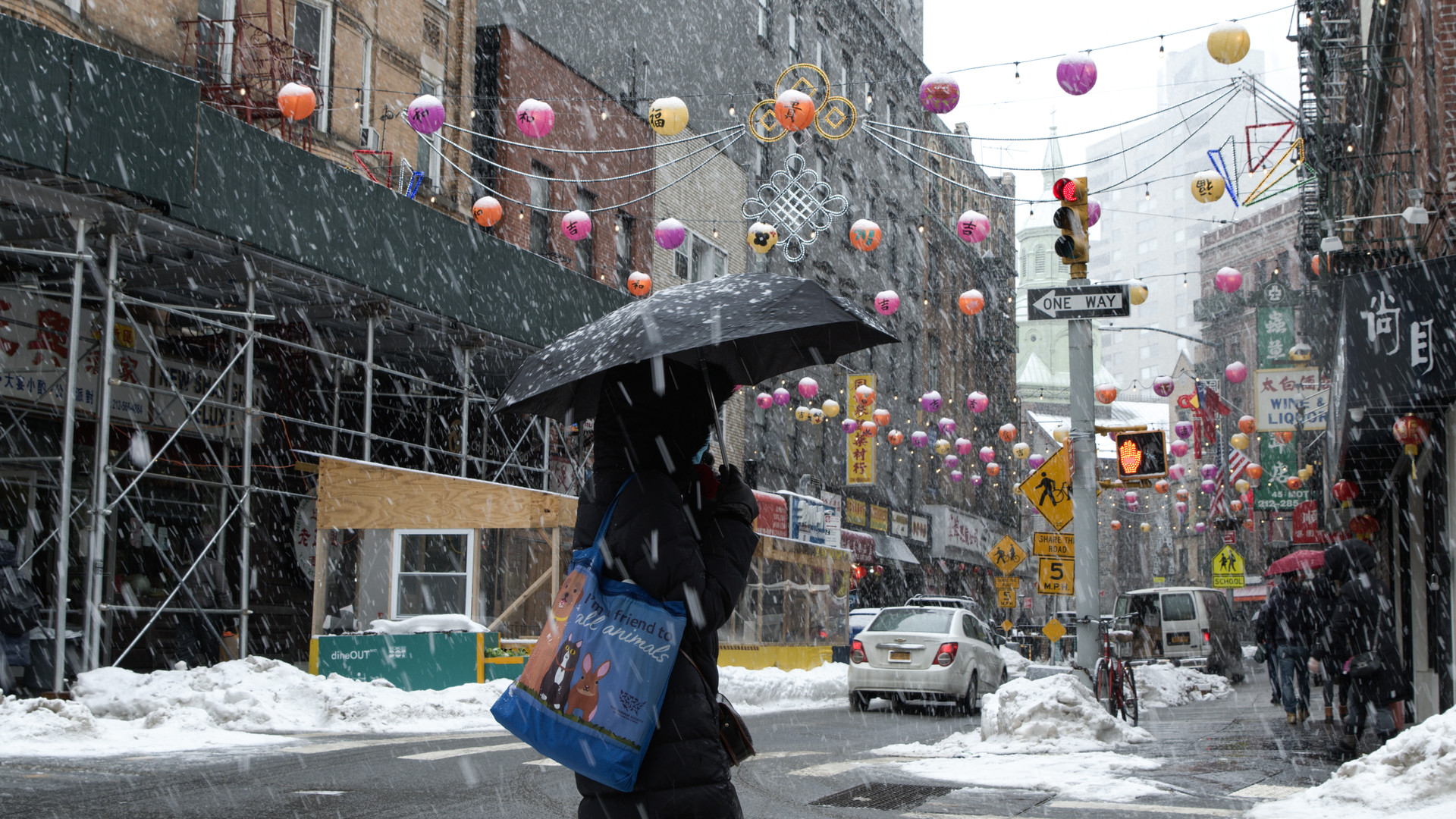
Currently based in New York, Wang blends documentary observation with experimental filmmaking.
Rather than treating memory as a fixed archive, his works embrace its instability, presenting
recollection as something continually rewritten through narration, translation, and lived experience.
Migration serves as both a subject and methodology throughout Wang’s work. Drawing from
personal experiences alongside broader histories of displacement, he examines the emotional
spaces between homeland and hostland, arrival and departure, certainty and ambiguity. Through
documentary footage, experimental video, and installation, Wang reflects on the ways mobility
transforms identity while leaving behind fragments that resist complete understanding.
After completing his undergraduate studies at the University of California, Irvine, Wang earned his
MFA in Visual Arts from Columbia University. He has taught filmmaking and media production at
Columbia University, Penn State University, Syracuse University, and currently serves as an
Adjunct Professor in the BFA Photo and Video Department at the School of Visual Arts in New
York.
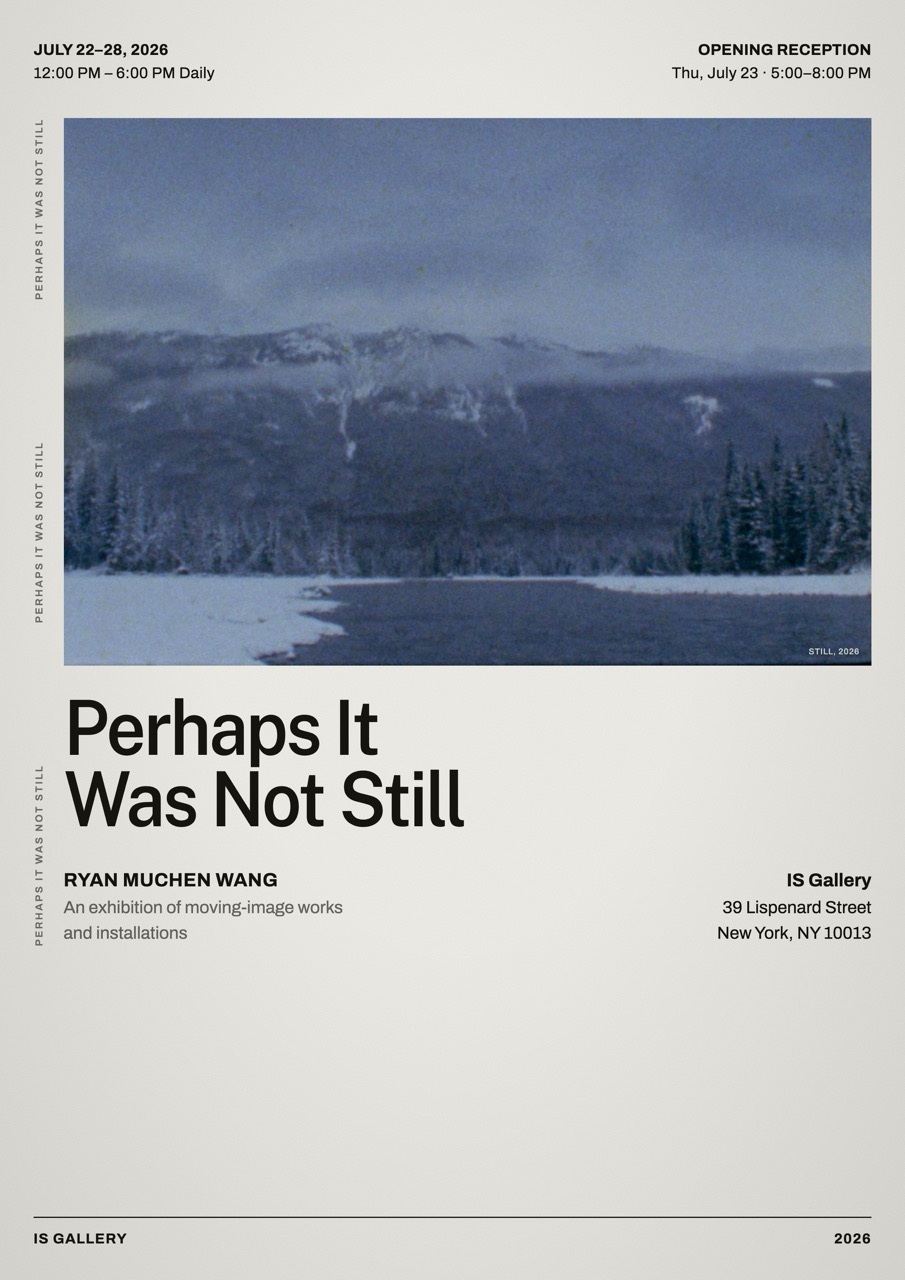
His latest exhibition, Perhaps It Was Not Still, presents films and sculptural installations that
challenge conventional storytelling. Rather than offering linear narratives, the exhibition constructs
fragmented experiences where language, sound, moving images, and memory continually
intersect.
One of the exhibition’s central works, I Once Saw a Time Traveler (2023), explores the unreliability
of memory through narration. In Transit (2026) assembles interviews, mobile phone footage, and
landscapes across multiple CRT televisions to portray the experiences of Chinese migrants
crossing the Darién Gap, emphasizing individual voices rather than generalized accounts. Its
companion work, What Remains (2026), projects migrants’ own photographs onto empty picture
frames, reflecting on what survives after movement and displacement.
Throughout the exhibition, Wang employs bilingual translation, subtitles, voiceovers, and layered
sound to examine the spaces between language and understanding. Rather than presenting
definitive conclusions, the exhibition suggests that memory exists in a continual process of
translation, reconstruction, and reinterpretation.
Wang’s films and installations have been exhibited at the Jewish Museum, NARS Foundation, 4C
Gallery, Manhattan Film Festival, Athens Animfest, Shanghai International Short Week, and
numerous international festivals. His work has also received recognition from the New York
Cinematography Award, Independent Shorts Awards, and the Art Film Spirit Awards.
By intertwining migration, language, memory, and technology, Ryan Muchen Wang creates works
that invite viewers to actively participate in making meaning. His practice offers a thoughtful
reflection on the ways memories evolve, suggesting that what we remember is never entirely fixed
but continually shaped by experience, narration, and time.