

Arpita Singh, one of the most important Indian painters of the past half-century, died in Delhi on Monday, November 9. She was 89. Her death, from age-related complications, was reported by Indian media later that day.
For six decades Singh painted a crowded, tender and unsettling picture of modern India, almost always through the lives of women. Her canvases, dense with figures, flowers, numbers, words, cars, guns and household objects, can look at first like folk paintings or maps. Look longer and they are full of violence, grief and politics, set inside the everyday.
From Bengal to Delhi
Singh was born in 1937 in West Bengal, before Partition, and grew up largely in Delhi. She studied fine art at Delhi Polytechnic, graduating in 1959, and in 1962 married the painter Paramjit Singh, with whom she lived and worked in the city for the rest of her life. Their daughter, the artist Anjum Singh, died in 2020.
An early job with a government programme supporting traditional crafts brought her into contact with weavers and village artists, and their patterns and techniques stayed with her. Bengali kantha embroidery, pattachitra scroll painting and Indian miniature painting all fed into her way of filling a surface, alongside Western modernism and Surrealism.
A painter of women’s lives
From the early 1970s into the 1980s, Singh worked mainly in black and white, making intricate abstract drawings in line. Colour arrived in the 1980s, and with it the figures that made her name: a woman, often middle-aged, often unnamed, standing or floating in a field of objects, text and smaller figures.
In My Mother (1993), a half-length portrait is cut through by a diagonal road of vehicles and soldiers. Later works such as My Lollipop City: Gemini Rising (2005), a map of New Delhi populated by officials and warnings, turned the same visual language on the city and the state. Across her career she addressed Partition, the 1975 Emergency and the rapid economic changes of the 1990s, without ever becoming a slogan painter.
Recognition
Singh was represented for decades by Vadehra Art Gallery in New Delhi and exhibited widely in India and abroad, at venues including the Kiran Nadar Museum of Art, M+ in Hong Kong and the Fukuoka Asian Art Museum. In 2025 the Serpentine in London gave her a major survey, Remembering, which introduced her work to a new generation of international audiences.
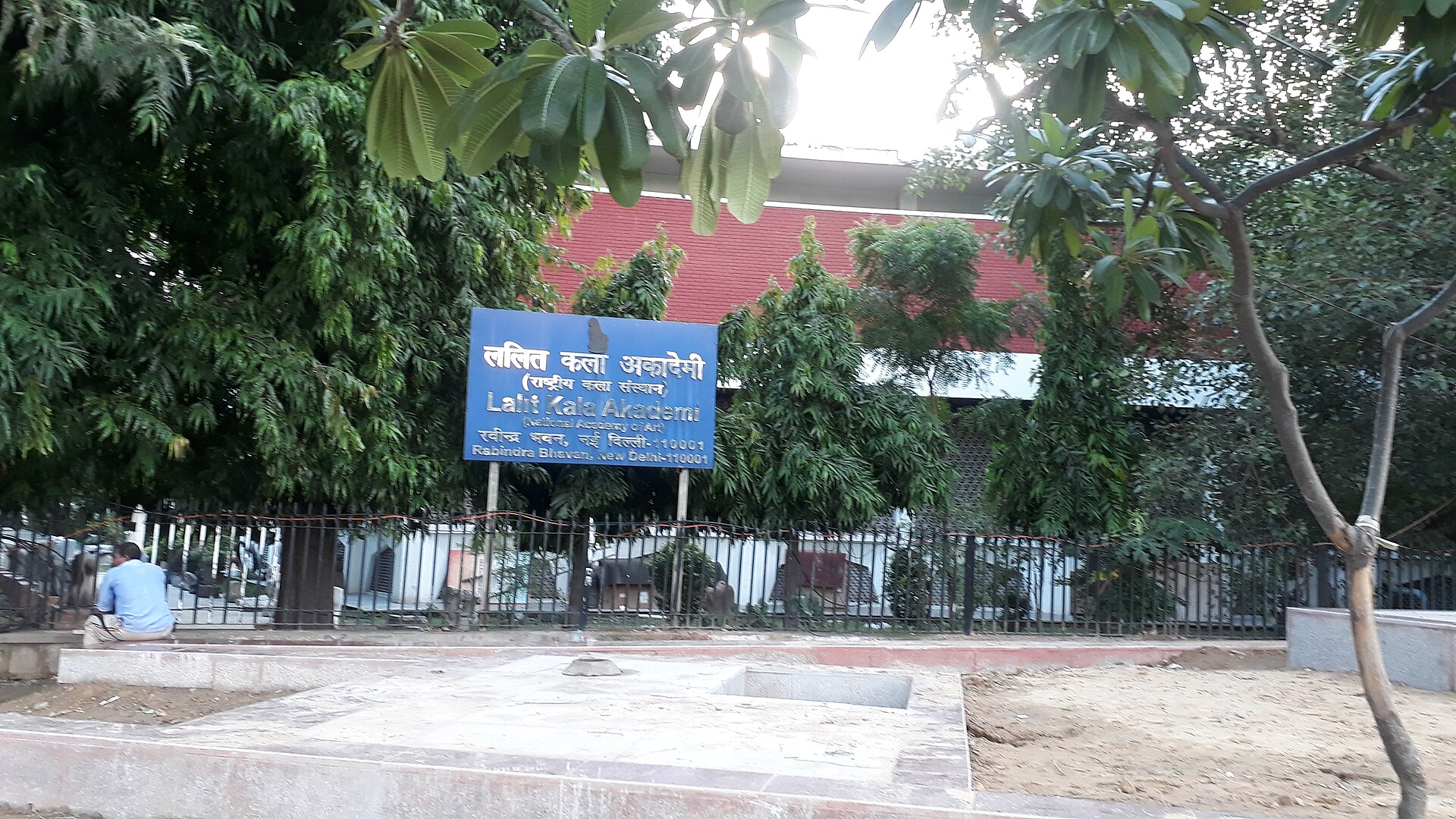
She received the Padma Bhushan, one of India’s highest civilian honours, in 2011, and a fellowship of the Lalit Kala Akademi, India’s national academy of art, in 2014. In 2010 her 16-panel work Wish Dream (2001) sold for $2.24 million at Saffronart, at the time a record for a living Indian woman artist.
Legacy
Singh belonged to the generation that shaped Indian modernism after Independence, but her work always stood slightly apart: intimate rather than heroic, more political than it first appeared, and centred on women at a time when the Indian art world largely was not. Its refusal to separate the personal from the political is a large part of why it continues to feel current.
She is survived by her husband, Paramjit Singh.