

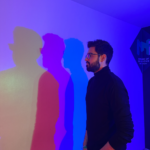
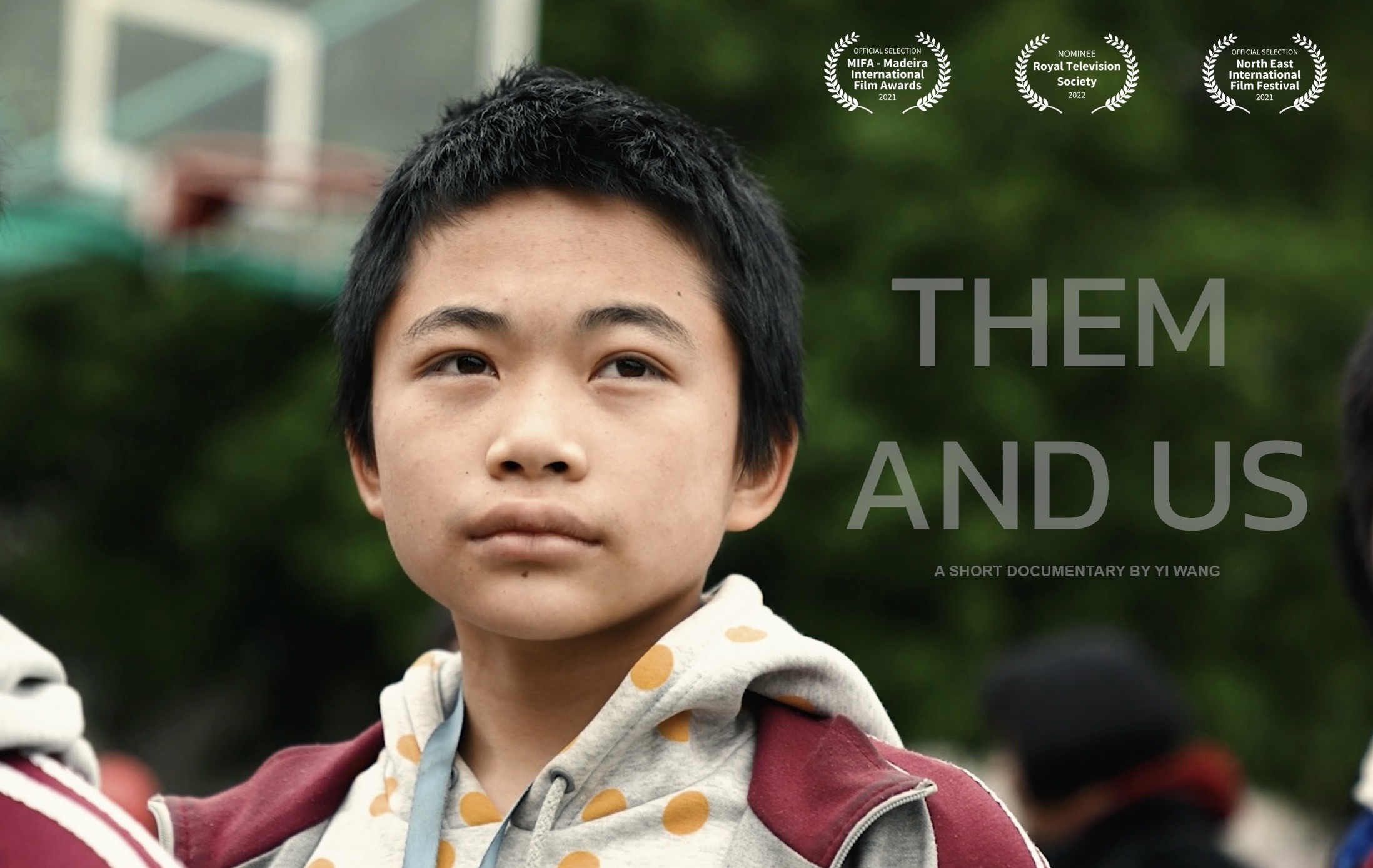
Humans are complex. But that has not stopped people from the ontological quest to understand the definition of humans. Cizzoe Yi Wang might be the latest one to ask this question, but the young artist has already developed some interesting mediums to answer it. From game installations to introspective documentaries, the trailblazing artist is creating art that is already leaving behind a legacy for the ages.
About Cizzoe Yi Wang
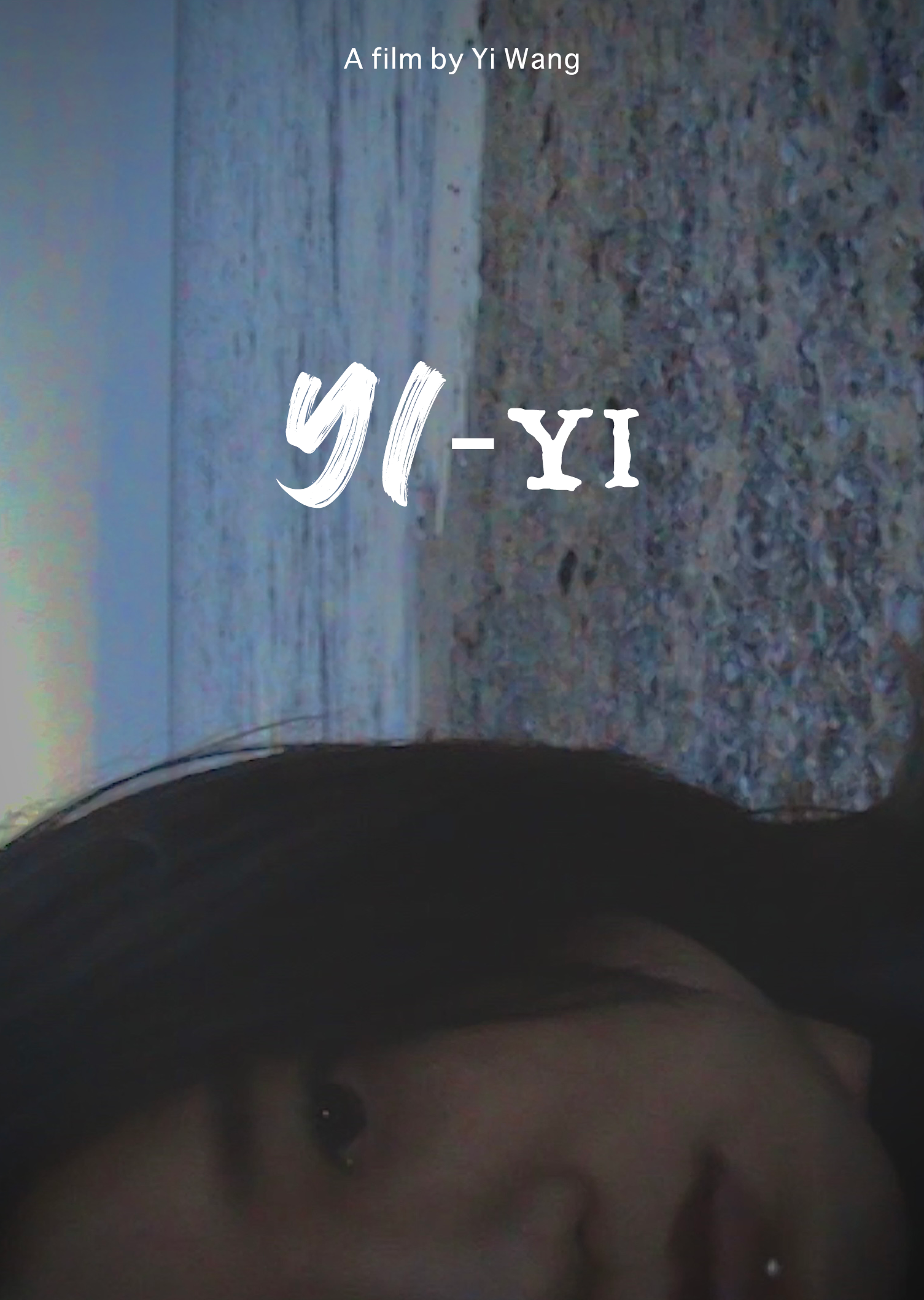
Cizzoe was born in 2000 in China. In 2021, graduated with a degree in Film Practices from Newcastle University. Graduating with First-Class Honours, she also received an academic prize for excellence in research. In 2022, she completed her MA in Ethnographic and Documentary Film from the UCL, with distinction. In 2024, she earned her second master’s degree in Contemporary Art Practice at the Royal College of Art. For many years, she has been residing in London, UK.
Anthropological Inspiration
Even before pursuing her master’s degree, Cizzoe was fascinated by the ontological question of “what is human”. At the beginning of her contemporary art career, her use of lens-based works such as ethnographic documentary was shaped by this very inquiry. The intrigue of the “perfect human” led her to pursue her master’s in ethnography to better understand the subject. Her background in anthropology spurs Cizzoe to explore the human condition in various ways. This could either be passive observation, as in her moving-image work, or active participation, as in her game installations. In either case, her body of work is an eternal quest to understand the way humans operate, both within the confines of their minds and with each other.
Interdisciplinary Approach
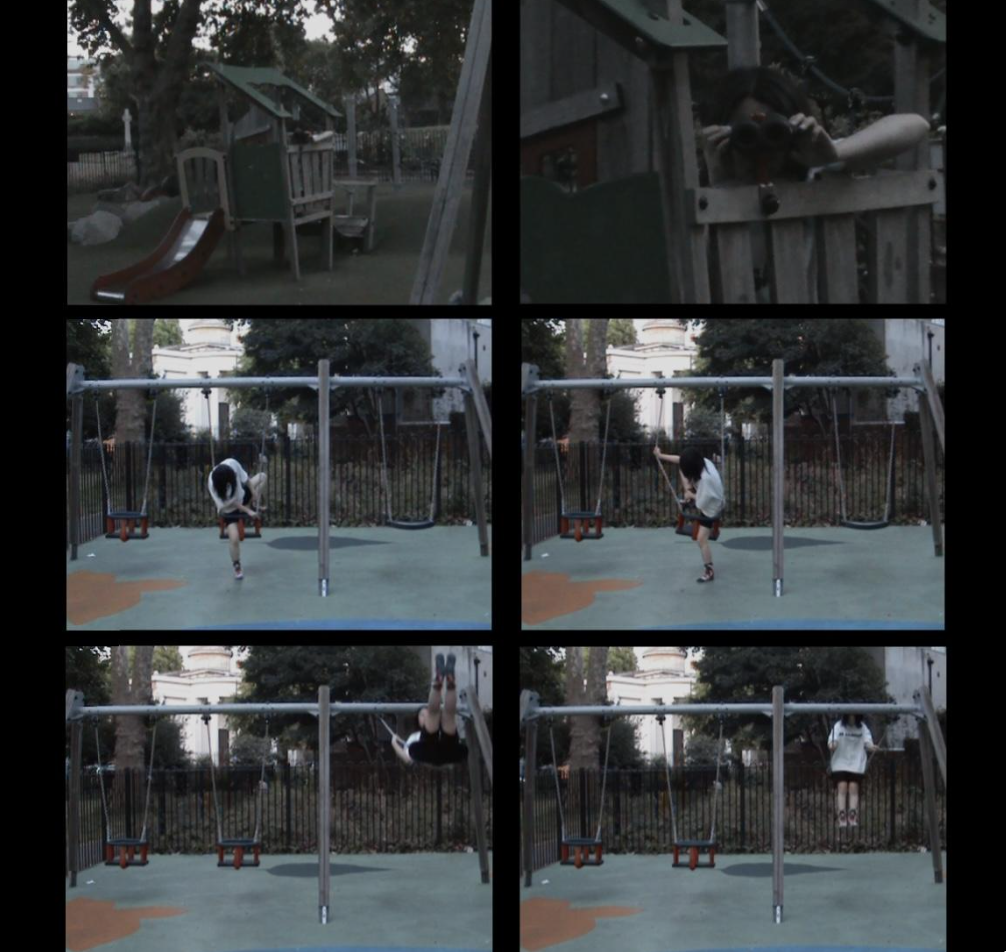
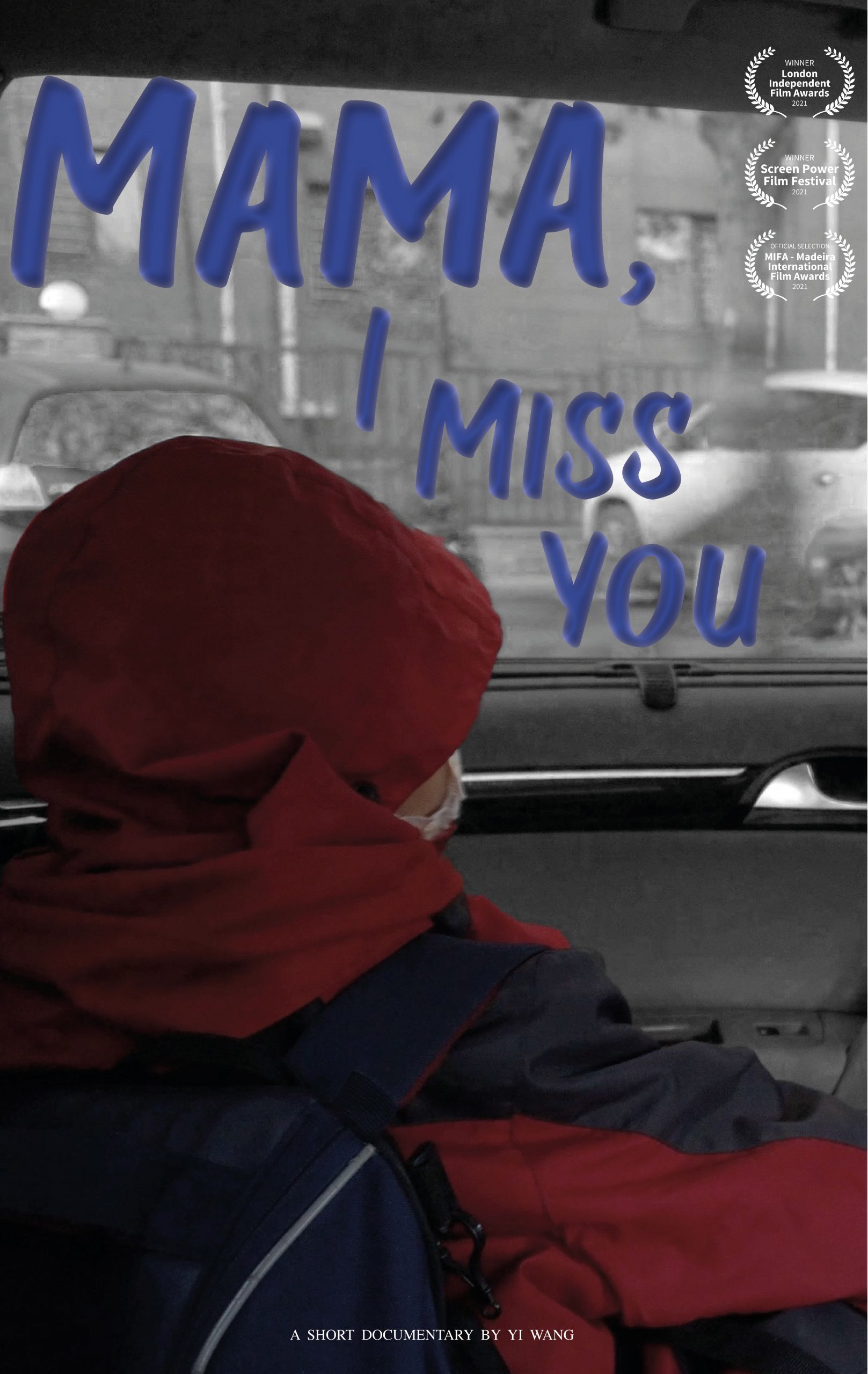
As an established interdisciplinary artist, Cizzoe Yi Wang works across installation, performance, and moving image (with a particular focus on documentary-based art). Regardless of the medium, her practice consistently investigates human nature and relationships, exploring how people interact, respond, and coexist within structured systems. While her installations invite direct participation, her lens-based works extend the same inquiry into a cinematic form, where observation becomes another mode of engagement. Her documentary works such as “I Only Come Here When Everyone Is Gone” (2024) and “Mama, I Miss You” (2021) revolve around childhood and adolescence. The period, which fundamentally moulds a person and defines what makes them themselves, holds a special fascination for her. An empty room, a lonely slide – her film is full of snapshots of abandoned traces of what must have really shaped the people who once lived there. Whether through spatial installations or moving images, Cizzoe’s work reflects a unified approach of observing and participating simultaneously, with empathy, patience, and a subtle sensitivity to human interaction.
The Game Of Life
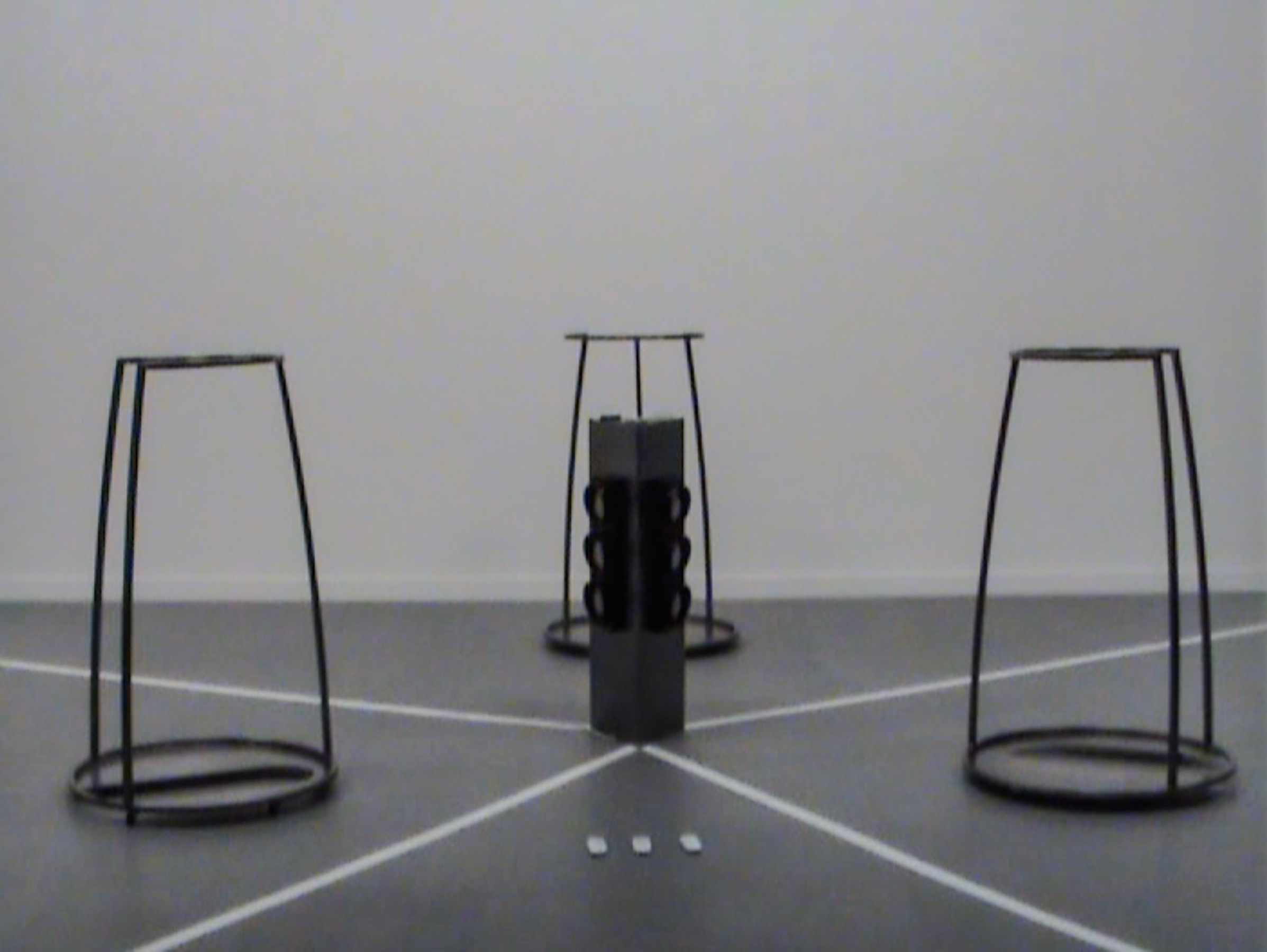
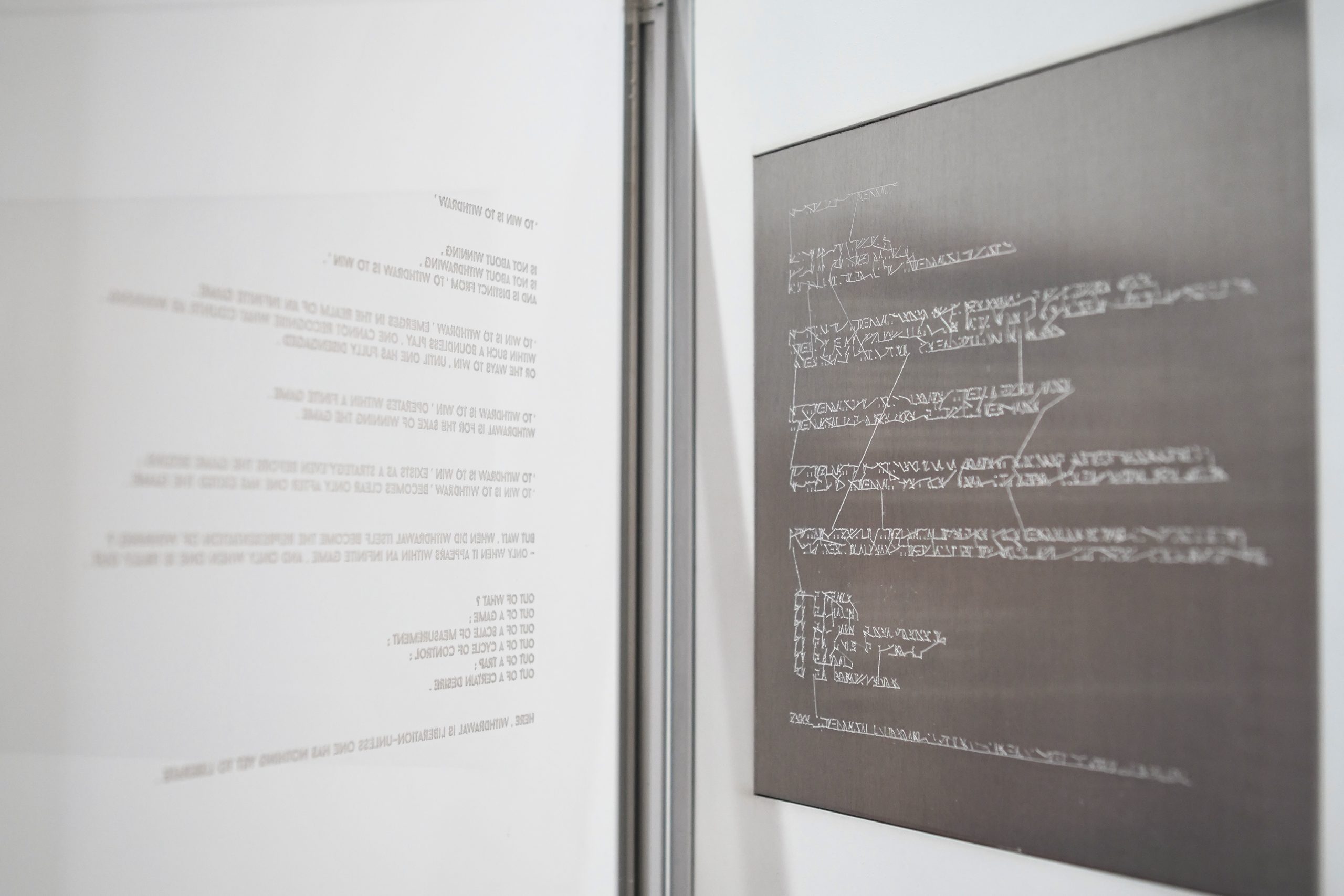
Games are a core aspect of Cizzoe’s installations. Why? Because games allow a kind of participation from the subjects that is not possible in any other medium. But like everything else in her repertoire, Cizzoe’s games are also unique to her perspective. Take, for instance, her most famous installation, Triangle (2024). The installation has 3 nodes, each for a participant. Two viewers occupy the nodes, while Cizzoe usually takes the third. There is a traffic light-esque system of lights conveying the decision of each round. The instructions – which the artist chooses not to disclose publicly – guide the players to navigate through the game. But as you will read later, the purpose of the game is not mere victory; it is yet another introspection of what it means to be a human in a society. “Triangle” is also unique for its incorporation of the “element of three”, another major theme in the works of Cizzoe. Most games usually have either two players or two teams, which often leads to dynamics of conflict and pushback. But with three elements, the dynamics are a lot more interesting – like a game of rock-paper-scissors, where each player interacts in shifting relations of tension and balance. The geometry of a triangle perfectly encapsulates these themes.
Withdrawal As The Victory
One of the most seminal works by Cizzoe is “Triangle” (2024), a seemingly simple game that seeks to explore the complexities of human interpersonal dynamics and what it means to ‘win’. Another installation echoing a similar belief is “To Win Is To Withdraw” – a core idea that has driven much of her work. Games are a valuable way to observe human interactions and decision-making, but games also tend to lose their novelty pretty soon. Once the initial charm wears off, what remains? Repetitive rules, an emergence of strategy, a desire for dominance, and ruthless competition. After a while, every game gets boiled down to the binary of victory and defeat, with no regard to the joy of the play itself. With her background in anthropology, Cizzoe wanted to challenge this established dynamic. This is perhaps best represented in her work “Triangle”. As mentioned before, the game is not about who has the best strategy. The game does not reward dominance. As such, the only option left is to step back and withdraw. The ‘withdrawal’ is essential in Cizzoe’s framework, as it does not represent defeat. Instead, it represents pacifism and a desire to de-escalate conflict.
But all of this does not mean that Cizzoe is an agent of chaos. There is a method to her madness. The artist is not aiming to crumble the established social order. Instead, she is intrigued by how human dynamics play out in various scenarios, particularly in a competitive one.
Laurels and The Path Forward
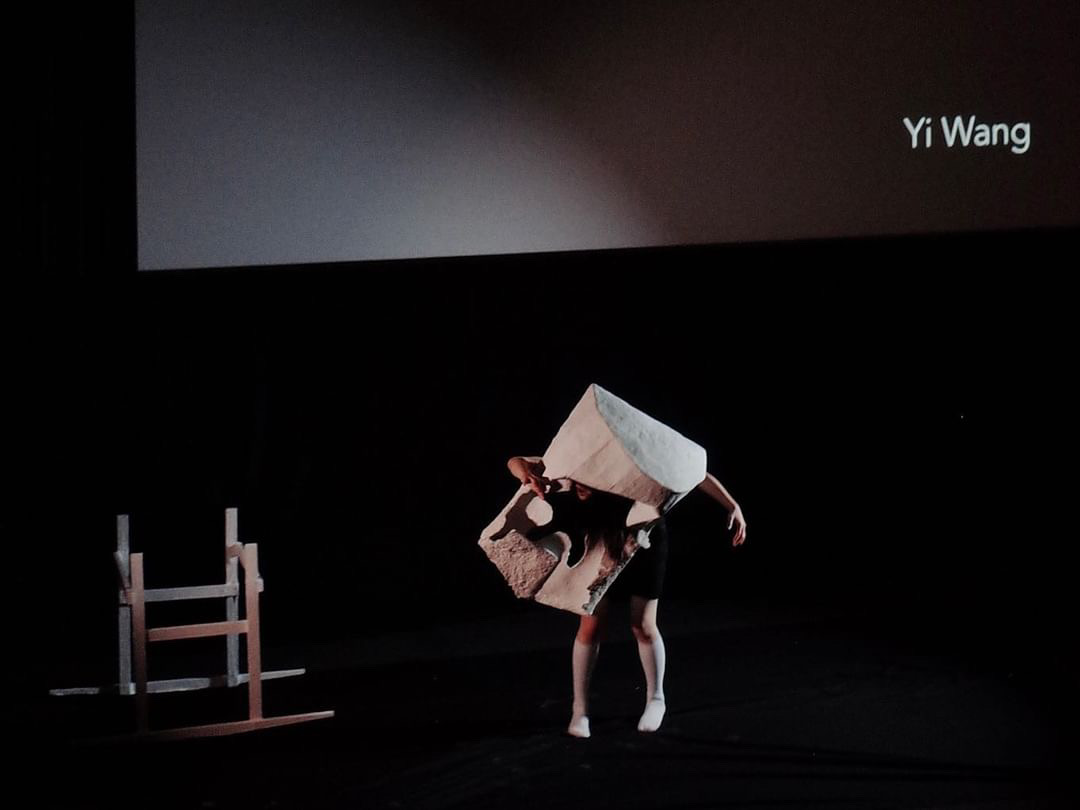
As a distinguished interdisciplinary artist, Cizzoe Yi Wang has developed a distinctive and accomplished body of work that spans installation, performance, and moving-image practice. Her artworks have been exhibited at the Tate Modern, London, as part of the Montez Press Radio x RCA CAP Broadcast and Screening, Candid Arts Gallery (2025), Gallery 46 (2025), and The Handbag Factory (2024) in London, UK. One of her artworks was also acquired in 2024 by Six Acres Coffee Museum in China as a permanent art installation. She has received a Muse Creative Awards (2025) in the Video: Art & Design category as a Silver Winner. Her moving-image works have been selected and awarded at various film festivals, including the Royal Television Society (2022) and the Screen Power Film Festival (2022). She has participated in group performances at The Place, London (2025), and Fitzwilliam Museum, Cambridge (2024).
Recognised for her interdisciplinary approach and conceptual depth, Cizzoe continues to expand her artistic language through installation, performance, and moving-image practice, contributing a distinctive voice to the field of contemporary art.