


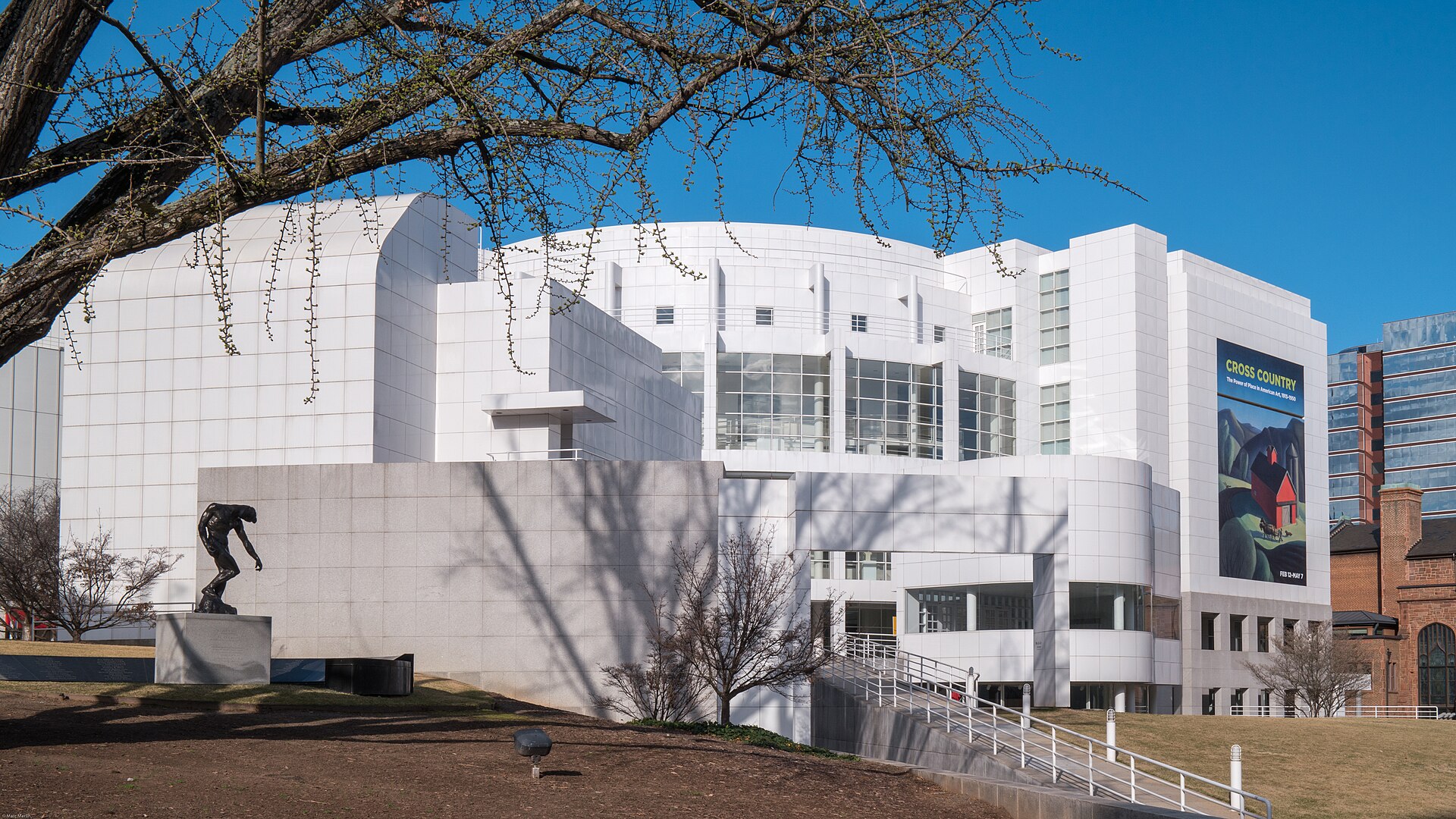
ATLANTA — The former chief operating officer of the High Museum of Art has been sentenced to a year in federal prison for stealing more than $600,000 from the museum over six years, much of it spent on expensive guitars and music gear.
Brady Lum, 60, of Atlanta, was sentenced on November 2 by U.S. District Judge Michael L. Brown to one year in prison followed by one year of supervised release, the U.S. Attorney’s Office for the Northern District of Georgia said.
Guitars, lessons and woodworking tools
Lum joined the High as COO on January 2, 2019, after leadership roles at the Coca-Cola Company and Special Olympics International.
Prosecutors said he began taking money less than nine months into the job, in September 2019, and carried on until the scheme was uncovered in November 2025. He resigned on December 9 that year.
Over that period, Lum used museum money to pay for things that had nothing to do with the museum: high-end guitars and other music equipment, private music lessons and woodworking equipment. Some of the purchases went through suppliers who invoiced the museum directly. Others were run through the High’s corporate credit card reimbursement process.
To hide the spending, prosecutors said, he submitted altered invoices, approved expenses using his own authority, and made accounting adjustments that spread the costs across different cost centers so they would not stand out.
Full repayment, and then some
Under his plea agreement, Lum paid the museum full restitution of $607,688.18. He also voluntarily paid about $500,000 more to cover what the High spent uncovering and investigating the theft.
U.S. Attorney Theodore S. Hertzberg said Lum had “brazenly pilfered” hundreds of thousands of dollars from one of the city’s best-loved civic institutions, and would now pay his debt to society from prison. Marlo Graham, special agent in charge of the FBI’s Atlanta office, said the public expects the people who run historic institutions to act as their stewards, not to exploit them.
The FBI investigated the case, which was prosecuted by Assistant U.S. Attorney Nicholas N. Joy.
Why it matters
Museums run on trust: from donors, members and the public who fund them. Cases like this one tend to prompt boards to look harder at who can approve their own expenses, and how many people see an invoice before it is paid. In Lum’s case, the money was spread thinly enough across departments that it went unnoticed for more than six years.