


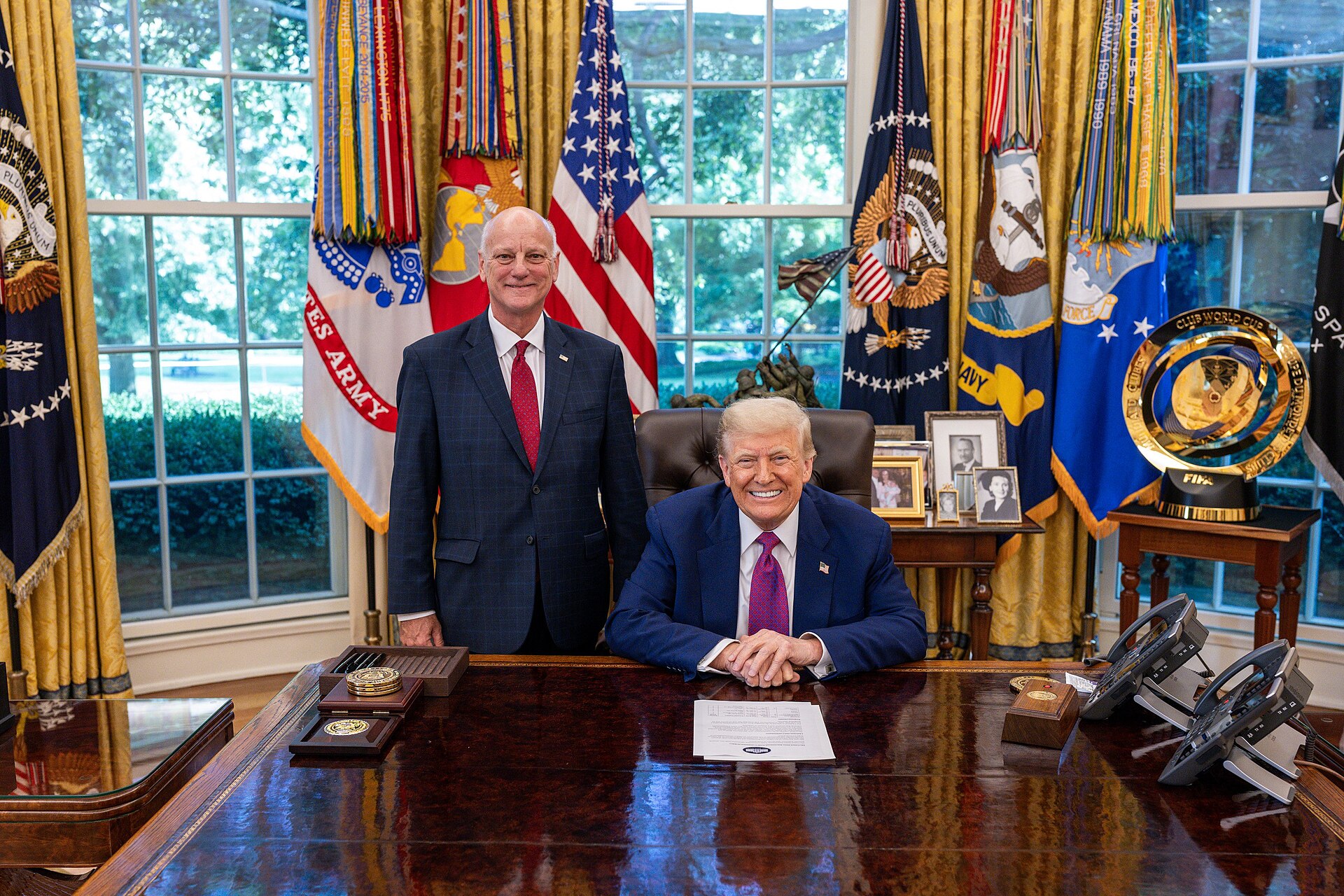
WASHINGTON — President Donald Trump has declared the Oval Office a national monument, using the same century-old law presidents have long used to protect canyons, forests and archaeological sites.
The proclamation, signed on November 5 under the Antiquities Act of 1906, covers the Oval Office, the Outer Oval Office and the Cabinet Room. It places the rooms under the management of the Secretary of the Interior, who must draw up a preservation plan with other federal agencies and the Committee for the Preservation of the White House.
The White House argues the rooms deserve more recognition than their current status as part of a National Historic Landmark. The Oval Office has been the president’s main working office for almost a century; the present room dates from 1934, when Franklin D. Roosevelt had it rebuilt in the southeast corner of the West Wing.
What the designation does, and does not, do
In practice, the proclamation adds a layer of process rather than a ban. Before anyone makes changes that would “substantially alter or demolish” the rooms, the government must document them, review the plans and consider alternatives. Any change to their historic character has to be in keeping with their national significance.
It does not stop redecorating. The text explicitly allows changes to furnishings and decor, along with ordinary operational and security work, as long as they do not substantially damage the historic fabric or architectural character of the rooms.
Trump framed it more forcefully at the signing. He said the office would not be “touched by anybody” and that major changes would have to go back to Congress, though that requirement does not appear in the document itself. A designation made by proclamation can also be revised by a later president, as Trump did when he shrank the Bears Ears and Grand Staircase-Escalante monuments in Utah during his first term.
A White House in flux
The proclamation arrives in the middle of the most extensive changes to the White House in decades. Trump has added gold wall appliqués and gold-framed portraits to the Oval Office, and at the signing he pointed out new chandeliers in the Cabinet Room, saying the old lighting had been very bad. The East Wing has been demolished to make way for a ballroom, and the administration is pressing ahead with a 250-foot triumphal arch at Memorial Circle, which a federal judge temporarily blocked on the same day.
Those projects have drawn lawsuits alleging they went ahead without the necessary approvals. On the day of the signing, Senator Richard Blumenthal of Connecticut, the top Democrat on a Senate homeland security subcommittee, wrote to known donors to the ballroom asking for information about their contributions. Supporters of the president, for their part, present the monument designation as a guarantee that the best-known room in American government will be protected for good.
For preservationists, the more telling document will be the Interior Department’s management plan, and whether a future administration chooses to keep it.