


In the 1970s, a significant shift occurred in the global economic landscape with the creation of the petrodollar system. This arrangement tied oil sales to the US dollar, solidifying the currency’s dominance not just as a medium of exchange but as a symbol of economic power. Oil-producing nations agreed to conduct international transactions exclusively in dollars, reinforcing the United States’ position as a global economic leader. The petrodollar has since had a profound influence on culture and art, reshaping the dynamics of artistic production and representation, particularly in oil-rich countries.
Contemporary artists have begun to engage with the petrodollar’s implications, exploring the intersection of money, politics, and power. Notable figures like Ai Weiwei and Banksy often tackle the complex relationship between capital and creativity. Their works serve as critical commentary on how art can simultaneously act as a tool of personal expression and a vehicle for political and economic agendas.

One such example is Banksy’s “Sunflowers from Petrol Station,” a reimagining of Van Gogh’s iconic painting. By depicting wilted sunflowers, Banksy critiques the environmental consequences of consumerism, using the flowers as a metaphor for the deterioration of both nature and art under the pressures of modern capitalism. The sunflowers, typically symbols of life and vitality, here become a poignant commentary on the destructive impact of oil consumption, highlighting the fragile state of the environment.
Banksy’s work challenges not just ecological crises but the commercialization of art itself. He invites audiences to reflect on how artworks—once considered pure symbols of beauty—can now carry messages that address urgent societal issues such as environmental degradation and the ethical dilemmas of resource consumption.

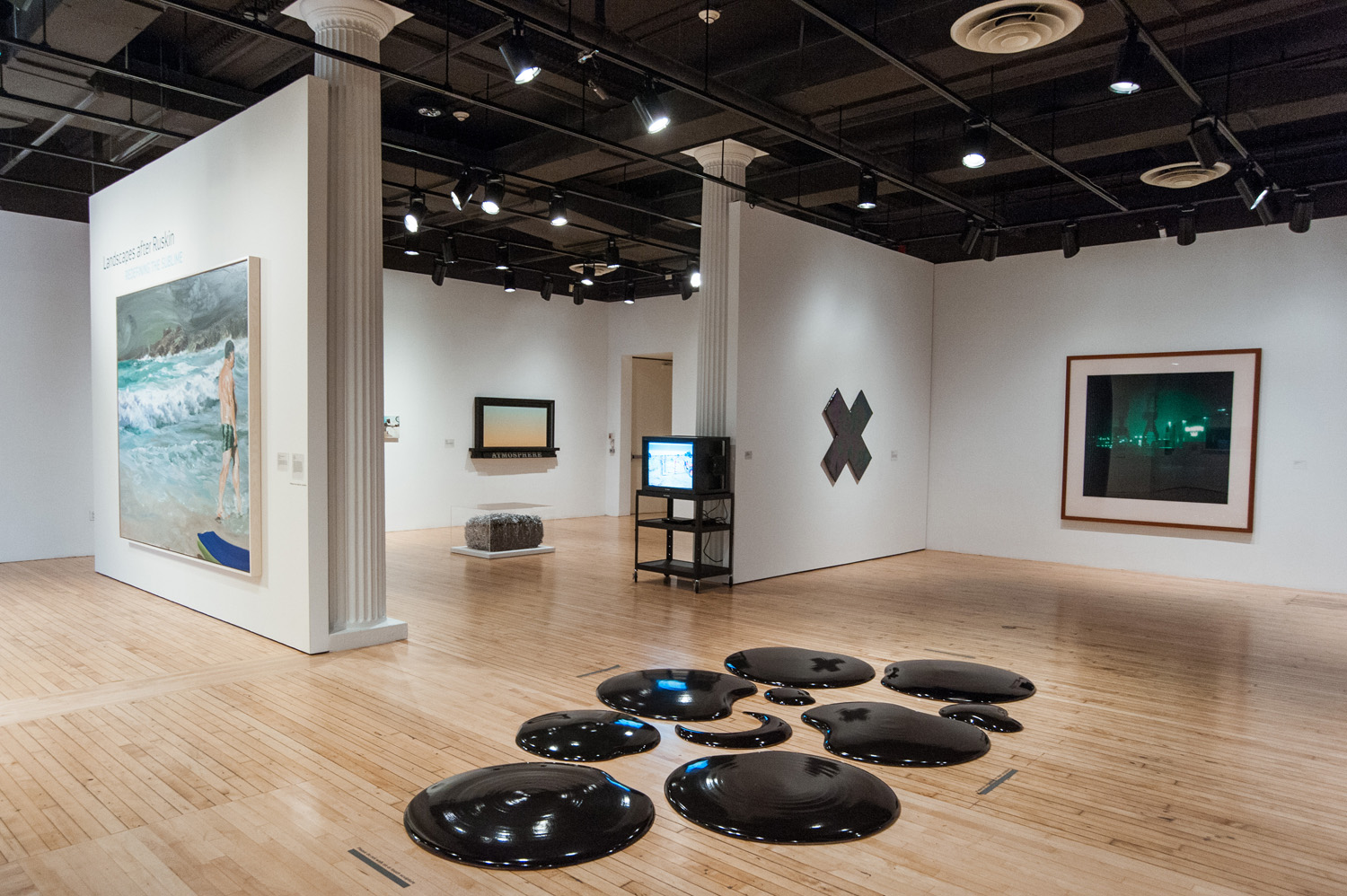
Similarly, Ai Weiwei’s “Oil Spill” installation tackles themes of environmental and economic consequences. Composed of black porcelain puddles that mimic the spread of oil, the piece draws attention to the ecological fallout from China’s rapid industrialization and urbanization. Through “Oil Spill,” Ai Weiwei prompts a critical examination of the cost of economic development, urging viewers to reconsider the values that drive contemporary society. The work serves as a stark commentary on the delicate balance between progress and environmental sustainability.
In a world grappling with climate change and pollution, Ai Weiwei’s installation underscores the urgency of adopting more responsible practices. His art reflects the global environmental crisis, pushing viewers to confront the impact of their actions on the planet and to reconsider their relationship with natural resources.
Ultimately, the rise of the petrodollar system and its influence on contemporary art highlight the powerful connection between the global economy and the creative industries. These works demonstrate how financial forces shape not only the art market but also the content and direction of artistic expression, revealing that art often mirrors the political and economic dynamics of its time.