


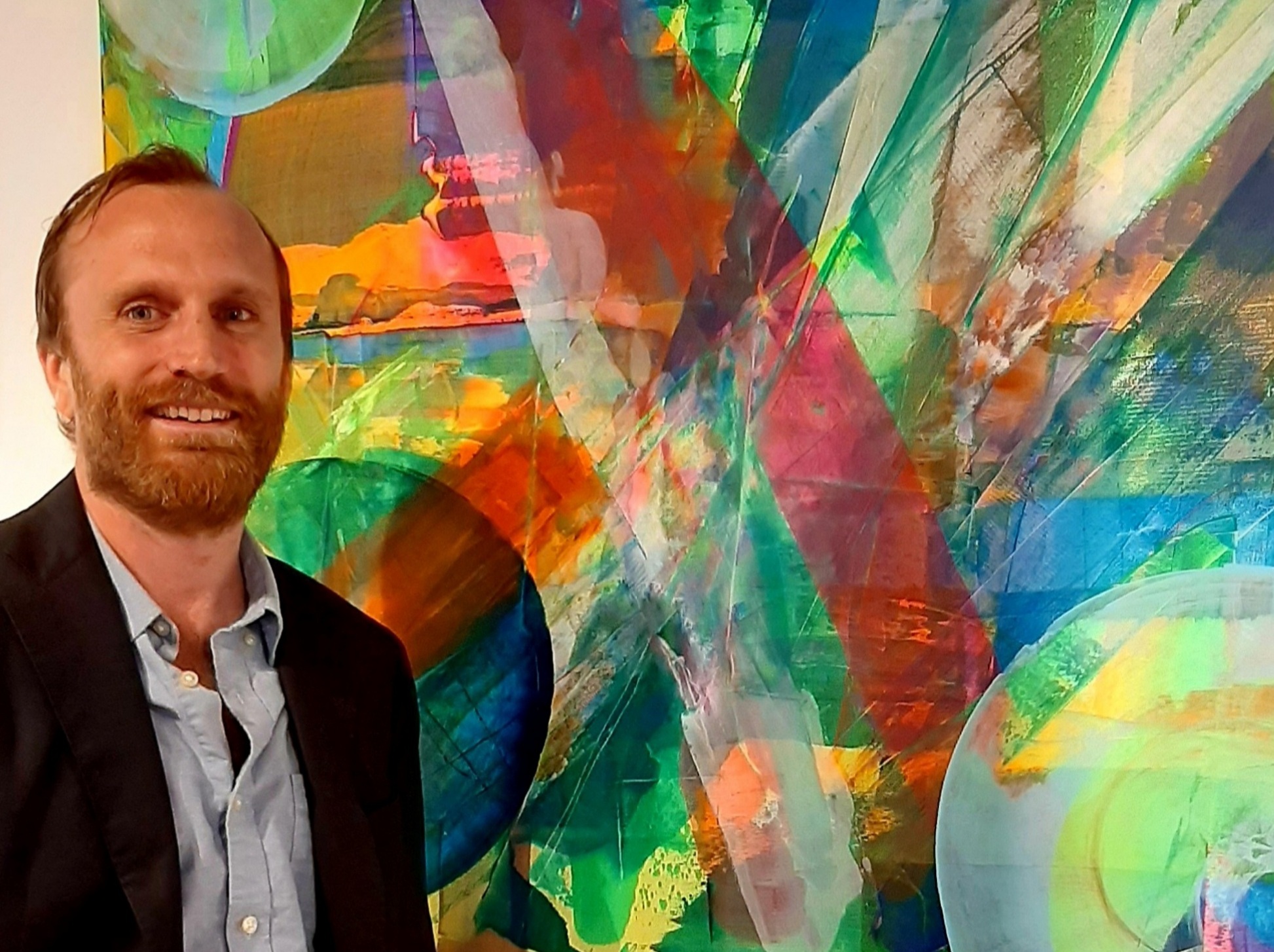
In the panorama of contemporary art, there are journeys that do not begin from a formal research, but from an existential necessity. Guido Rocca’s painting belongs to this rare space, where the artwork is not the goal, but the consequence of a profound human crossing.
His participation in the new contemporary art exhibition at the Imagine Museum in St. Petersburg, inaugurated on February 14, represents a significant moment within an artistic trajectory that brings together lived experience, spirituality, and visual research.
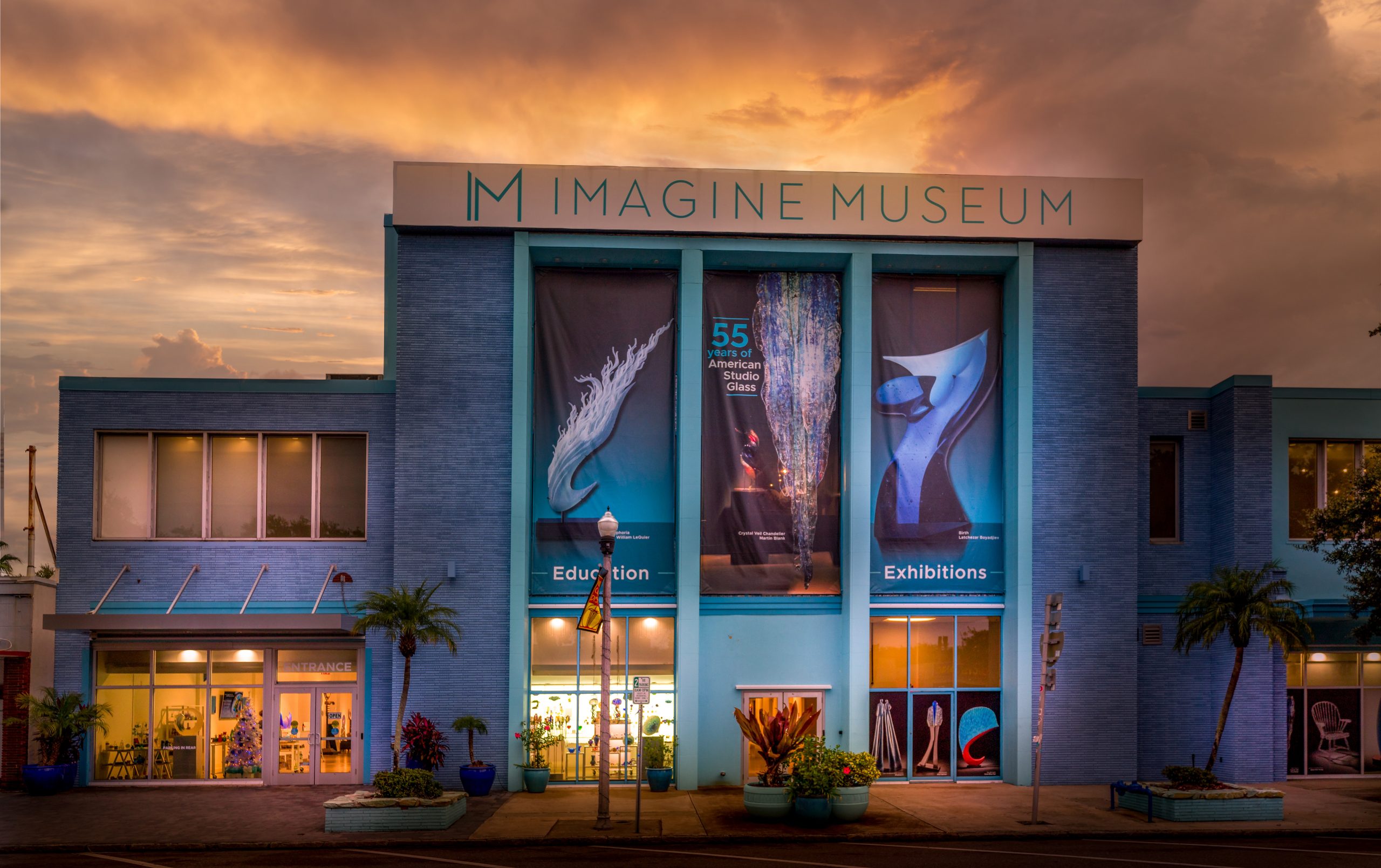 The Imagine Museum, an internationally recognized institution, is known for the quality of its permanent collection and for the cultural role it plays in promoting contemporary languages capable of engaging in dialogue with the present.
Rocca’s work, selected for this exhibition, enters a high-profile museum context, offering viewers an experience that goes beyond the painted surface. Color, light, and material become tools of connection: they do not tell a story in a didactic way, but evoke it, leaving space for an intimate and personal interpretation.
Guido Rocca’s visual language arises from a past marked by intensity, falls, and addiction. A lived experience that is not removed, but transformed. Before artistic recognition, there was a long period of disorientation, a direct confrontation with limits, pain, and the absence of meaning. Painting arrived as a silent response, as a necessary gesture, as a way to reassemble inner fragments.
In this sense, his research does not aim at representation, but at transmutation. Each work becomes an energetic field, a space of passage where individual experience opens toward a universal dimension. Light, a central
element in his work, is never decorative: it is a symbol of crossing, awareness, and possible rebirth.
The exhibition at the Imagine Museum therefore takes on a value that goes beyond institutional recognition. It stands as testimony to how a path born on the margins can find resonance within major cultural institutions without losing authenticity. It reflects an art that does not seek to impress, but to touch, to create a space for listening in a time often dominated by speed and superficiality.
Alongside his artistic practice, Guido Rocca is engaged in awareness and prevention projects aimed at young people, using his personal experience as a tool for dialogue and consciousness. The message that runs through his work is clear: no fall is final, no identity is unchangeable. Rebirth does not come through judgment, but through listening and mutual support.
In an era in which contemporary art is often called to question its own role, Rocca’s painting offers a quiet yet powerful response: art as a space of care, as a place of transformation, as a concrete possibility for human redemption.
Guido Rocca’s story is not a model to imitate, but an invitation to believe that change is possible. That light does not erase the darkness, but moves through it. And that, sometimes, a painting can become much more than an artwork, it can be an open door toward a new life.
