


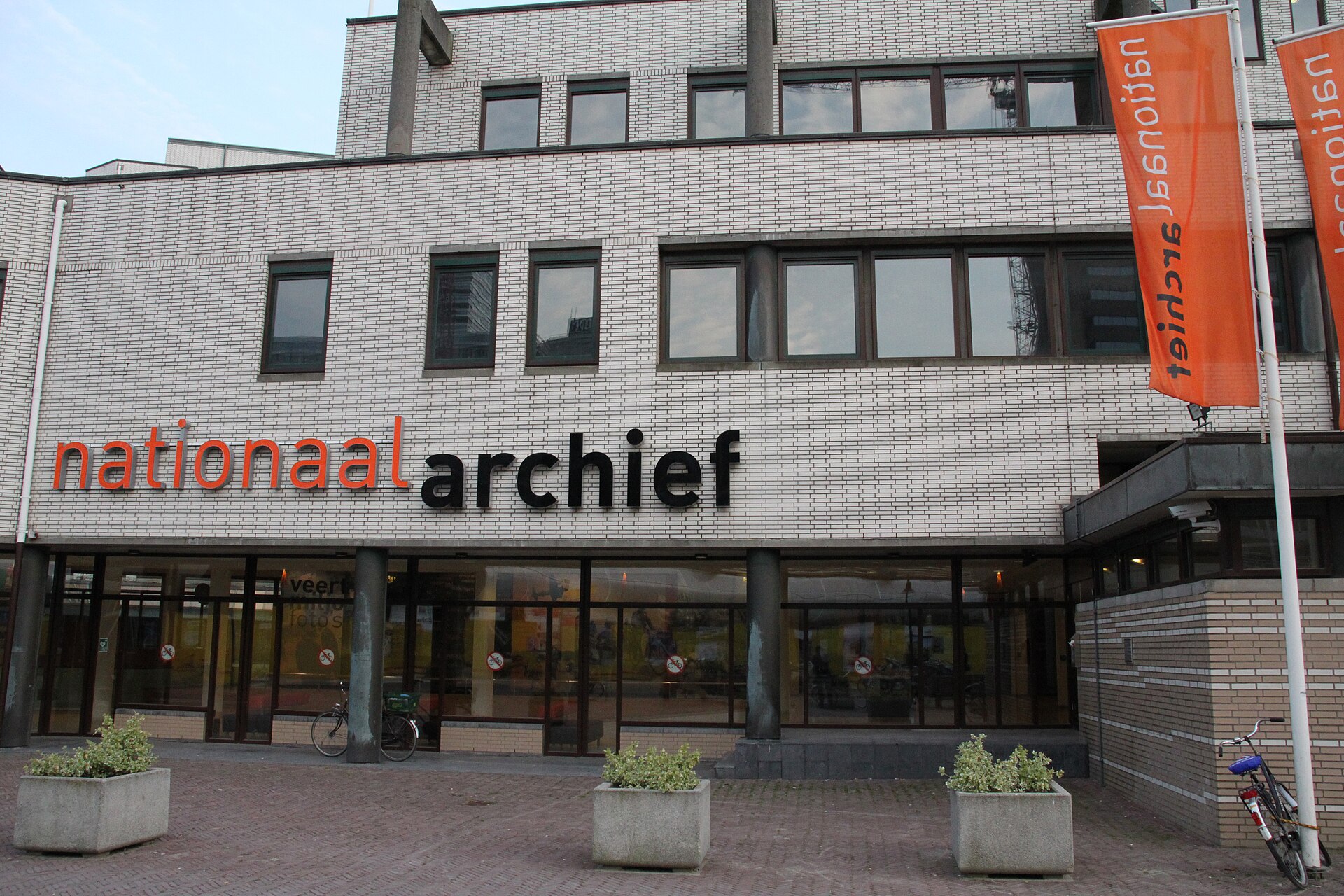
Someone clearing out the attic of a sick relative in the Netherlands came across a cardboard box from the discount chain Action. Inside were old papers. A former history teacher who saw them had a blunt reaction: this was bad news. The papers turned out to be 25 documents stolen from the National Archives in The Hague a decade earlier, among them some of the most important records in Dutch history.
The story, first reported in July 2025, has been shared widely again this month. It is worth retelling, because almost every detail is stranger than fiction.
What was in the box
The haul included a report of the first meeting of the Dutch East India Company, the VOC, in 1602, bearing what is often described as the world’s first corporate logo. The VOC archives are on UNESCO’s Memory of the World register. There was also an account of a VOC mission to the Mughal emperor in India in 1700, a book recording secret meetings of Dutch officials from 1592 to 1604, and a letter from a knight dated 1445, about four metres long.
The emotional centrepiece was a ship’s log kept by Michiel de Ruyter from 1640 to 1642, covering his first experience of naval battle at Cape St. Vincent in 1641. De Ruyter went on to become the most celebrated admiral in Dutch history, regarded at home as the man who saved the country in the wars of the 1660s and 1670s.
Collateral for a loan
How the documents ended up in an attic is the oddest part. According to police, a former employee of the archives took them in 2015, then borrowed money from an acquaintance and handed over the box as security. He never came back for it, and the lender put it in the attic and forgot about it. The suspected thief has since died, so the case was closed without anyone being charged, and his identity has not been made public.
The archives had noticed some items were missing but assumed they had been misplaced. With roughly 145 kilometres of records, a full inventory is not realistic, a spokesperson explained.
Enter the “Indiana Jones of the art world”
Instead of going to the police directly, the family contacted Arthur Brand, the Amsterdam-based art detective. Brand told The Art Newspaper that he knew from the photographs that it was a treasure. He agreed to take the box on condition that everything would go back to its rightful owner if it proved to be stolen, then worked with the Amsterdam police to return all 25 items to the National Archives. He has called it one of the highlights of his career.
That is saying something. Brand made his name tracking down stolen art and objects through informants and the criminal underworld, including the bronze “Hitler’s horses” from the Reich Chancellery in 2015, a Picasso portrait of Dora Maar stolen from a yacht, a gold ring that once belonged to Oscar Wilde, and Van Gogh’s The Parsonage Garden at Nuenen in Spring, taken from the Singer Laren museum during the 2020 lockdown and returned in 2023.
Why it resonates
The attic box has all the ingredients of the stories that travel furthest online: an ordinary family, a cheap cardboard box, an object of national importance, and a lucky escape. Had the relative thrown the box out, or sold the papers one by one, documents tied to the birth of the modern corporation and to the Netherlands’ most famous admiral might never have been seen again.
They are now back in The Hague. No value has been put on them, and the archives have not said whether anything else is still missing.