


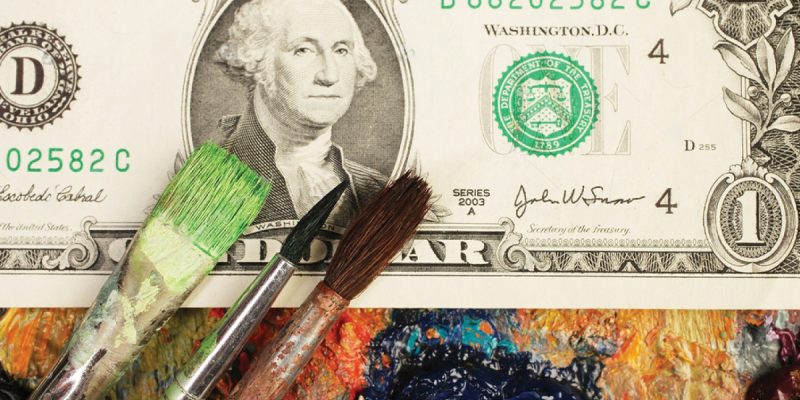
Being an artist is a constant battle between living in the world of creative imagination versus living in the real world of constant hardships. Beyond the select blue chip names who make millions, the harsh truth for most of the artists is about living paycheck-to-paycheck. The Covid-19 pandemic made the situation even worse.
In times like these, guaranteed income programs have emerged as nothing short of a savior. Multiple programs, both big and small, have helped artists go beyond their everyday worries of keeping the lights on and focusing instead on their creative side. Guaranteed income programs differ from grants because they come with no strings attached. The organization has no say in how the money should be used – the artist could use it to pay bills, buy art supplies, or go on a vacation. Let’s take a look at two such programs and their resounding success.
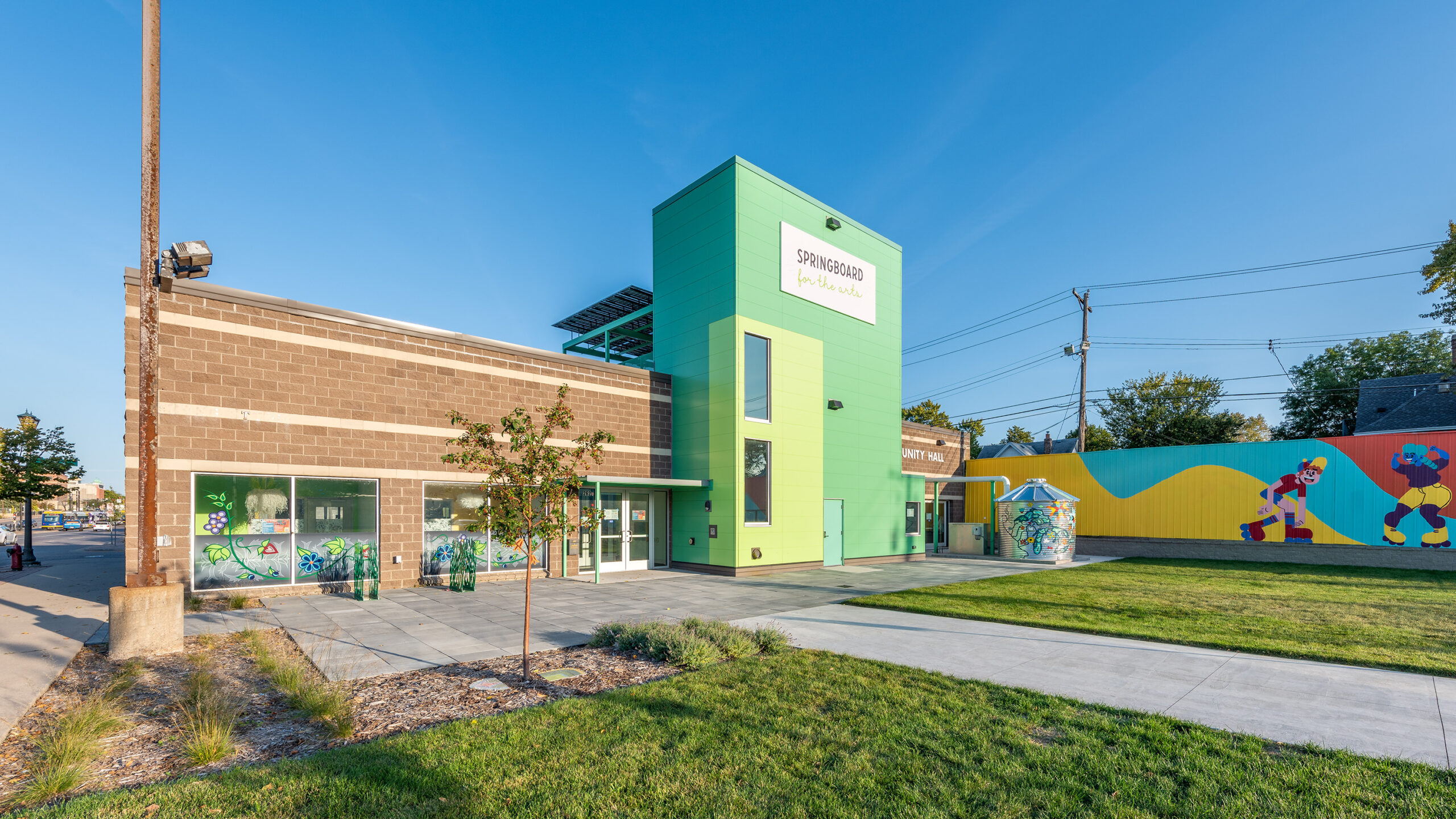
In 2021, Springfield for the Arts – a nonprofit based in Minnesota – launched a program to pay $500 per month to artists over 18 months. Artists were randomly selected from applications and had no compliance requirements. Originally launched for 75 artists, the program has since extended itself multiple times and added 25 more participants. In October of last year, Laura Zubel (executive director of the organization) announced that the program is extending to a total of 5 years. In January, 100 artists will start receiving the funds under the latest extension.
A similar program was started in 2022 in New York, where the Creatives Rebuild New York initiative gave $1000 per month to artists in need. Over a period of 18 months, 2,400 artists benefitted from the program facilitated by the Mellon and Ford foundations.
Artists, particularly young and freelancing ones, are often towards the lower economic ends of society – as affirmed by a recent report about artists in the UK. Guaranteed income programs not only help them with basic survival but also improve their mental health and leave them free to pursue their art projects.