

Jan van Eyck painted only around 20 pictures that survive today, and ten of them are portraits. For the first time, all ten are hanging in the same place. Van Eyck: The Portraits opened at the National Gallery in London on November 21 and runs until April 11, 2027.
The gallery describes it as the first exhibition ever devoted to the portraits of the Flemish master, whose work in the 1430s more or less invented the modern portrait. Here is what is in the show, what is new, and how to see it for as little as £1.
What is in the exhibition
The core of the show is nine painted portraits and Van Eyck’s only surviving drawing, which is itself a portrait. Together they account for about half of all the autograph pictures by the artist known today. The checklist is completed by a few related drawings, including a portrait of a young woman by Rogier van der Weyden from the British Museum.
Highlights include:
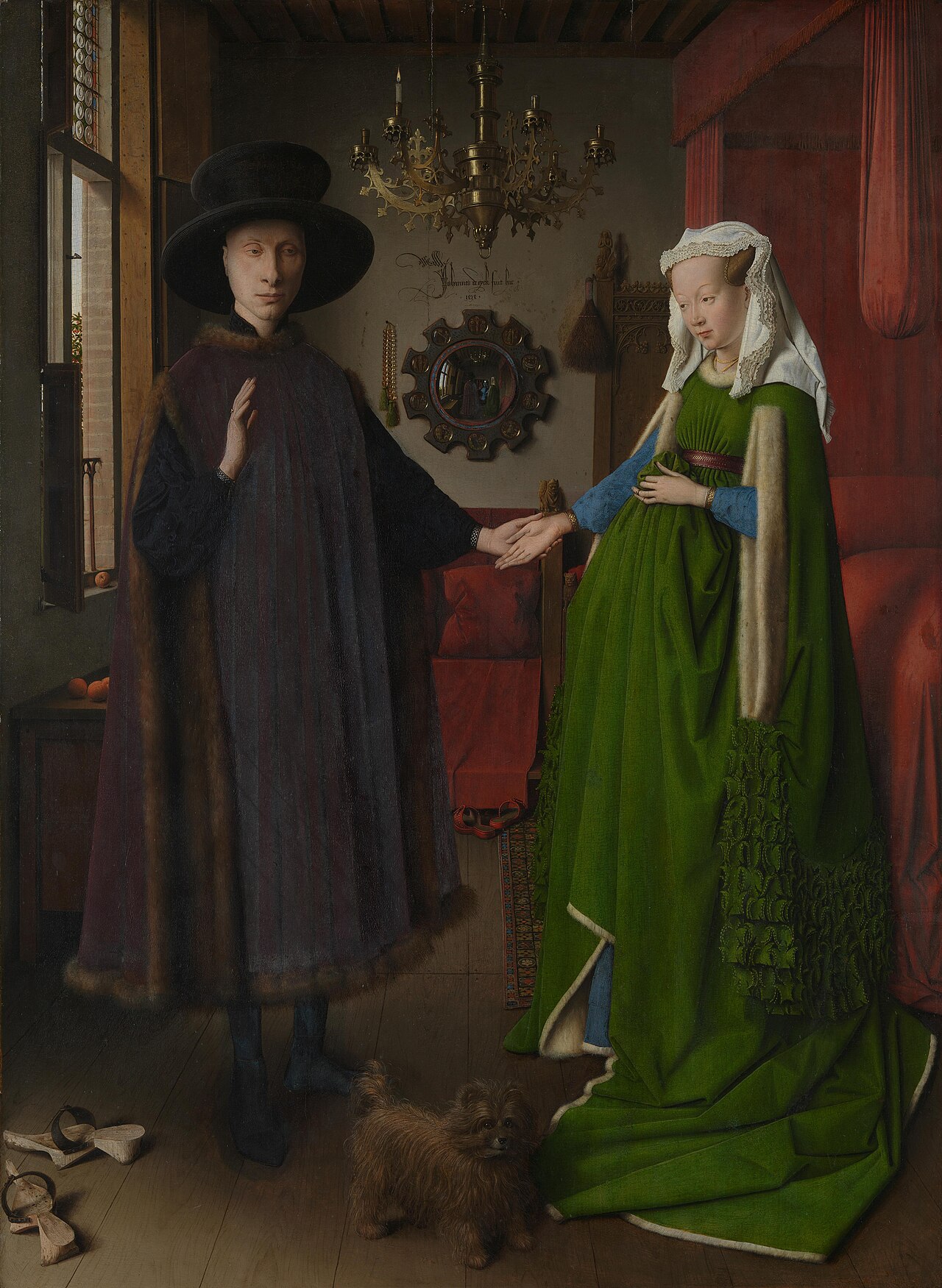
- The Arnolfini Portrait (1434), the National Gallery’s own masterpiece, shown for the first time beside the Portrait of a Man (Giovanni Arnolfini?) from the Gemäldegalerie in Berlin, which appears to depict the same sitter.
- Portrait of a Man (Self Portrait?) (1433), the so-called man in a red turban, newly conserved.
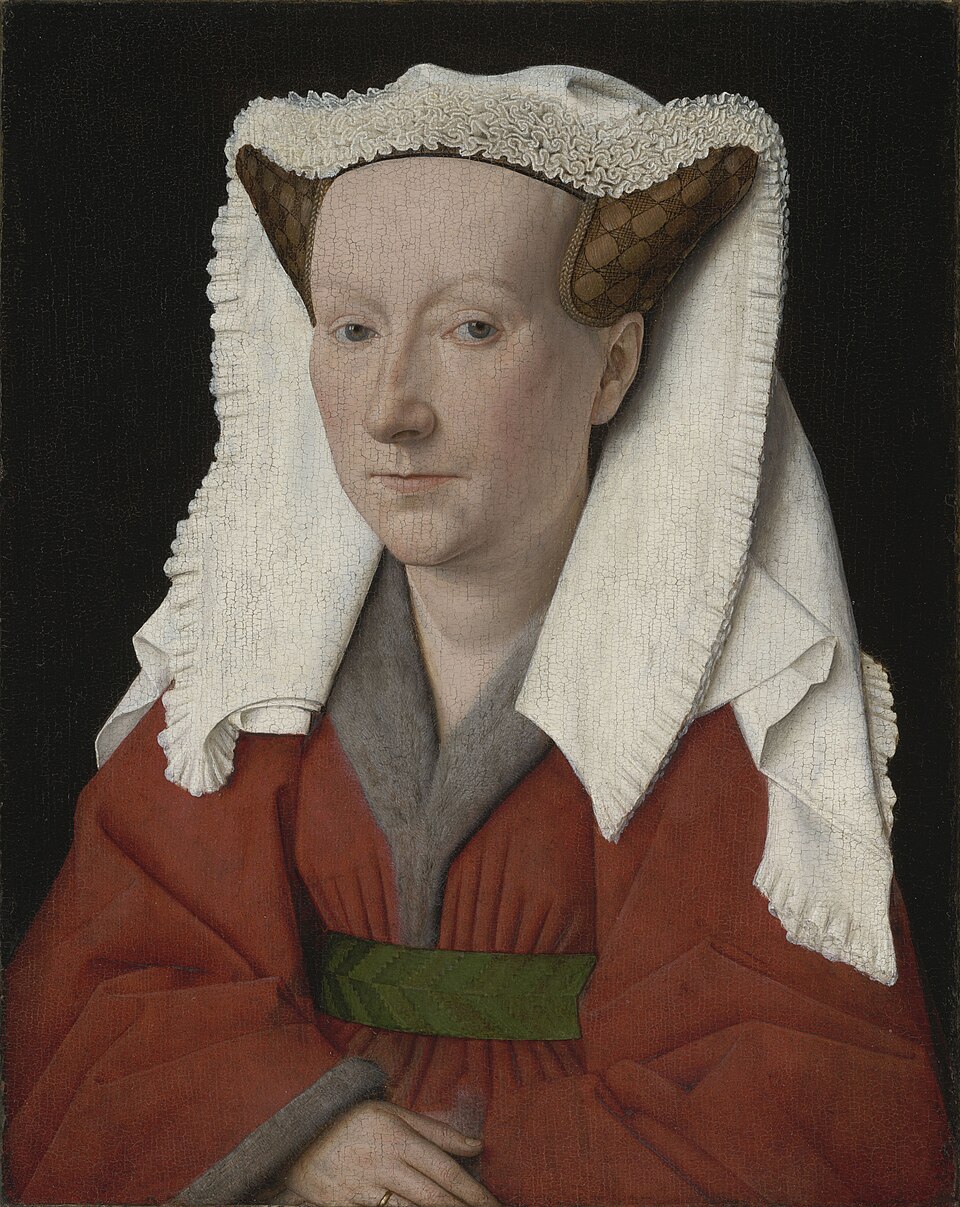
- Margaret, the Artist’s Wife (1439), lent by the Groeningemuseum in Bruges. The gallery calls it the first dated portrait of an identifiable woman who was not an aristocrat.
- Portrait of an Elderly Man (A Scholar?) from the Kunsthistorisches Museum in Vienna, reunited with its preparatory drawing in silverpoint from the Kupferstich-Kabinett in Dresden. It is only the second time the drawing and painting have been shown together.
- Jan de Leeuw (1436), the portrait of a goldsmith, also from Vienna. It is the first time the Kunsthistorisches Museum has lent both of its Van Eyck paintings at once.
What is new
Several portraits are displayed in the round, so visitors can see their backs for the first time. Some of the panels carry painted imitation marble on the reverse, a sign that they were made to be held and turned in the hand rather than simply hung on a wall.
The pairing of the two Arnolfini pictures is also likely to revive debate about one of art history’s most discussed paintings. It is unusual for Van Eyck to have painted the same man twice, since repeat portraits were normally reserved for rulers. Questions about who the couple in the London painting really are have never gone away, and we looked at one recent theory here.
Who made it
The exhibition is curated by Emma Capron, the gallery’s curator of early Netherlandish and German paintings, and Nicholas Flory. “Some stories do not have a beginning,” Capron said in the gallery’s announcement, arguing that with Van Eyck, portraiture bursts onto the scene fully formed in the 1430s. The director, Sir Gabriele Finaldi, called Van Eyck “one of the pillars of the National Gallery’s collection.”
The accompanying catalogue, written by Capron and Flory with eight other scholars, is the first English-language book devoted to Van Eyck’s portraits. It runs to 208 pages with 90 illustrations and costs £40, or £35 in the gallery shop.
How to see it for £1
Admission to the exhibition is charged, but the gallery is running Pay What You Wish evenings. Every Friday from December 11, 2026, to March 26, 2027, visitors can pay as little as £1 for a timed entry slot between 5.30pm and 7.45pm. Tickets can be booked in advance online by choosing the Pay What You Wish option, or bought on the day at the door, subject to availability.
With ten portraits and a single drawing, this is a compact show, and the Friday evening slots are likely to be popular. Booking early is the safest option, particularly in the weeks before Christmas.
Full details are on the National Gallery’s website.