

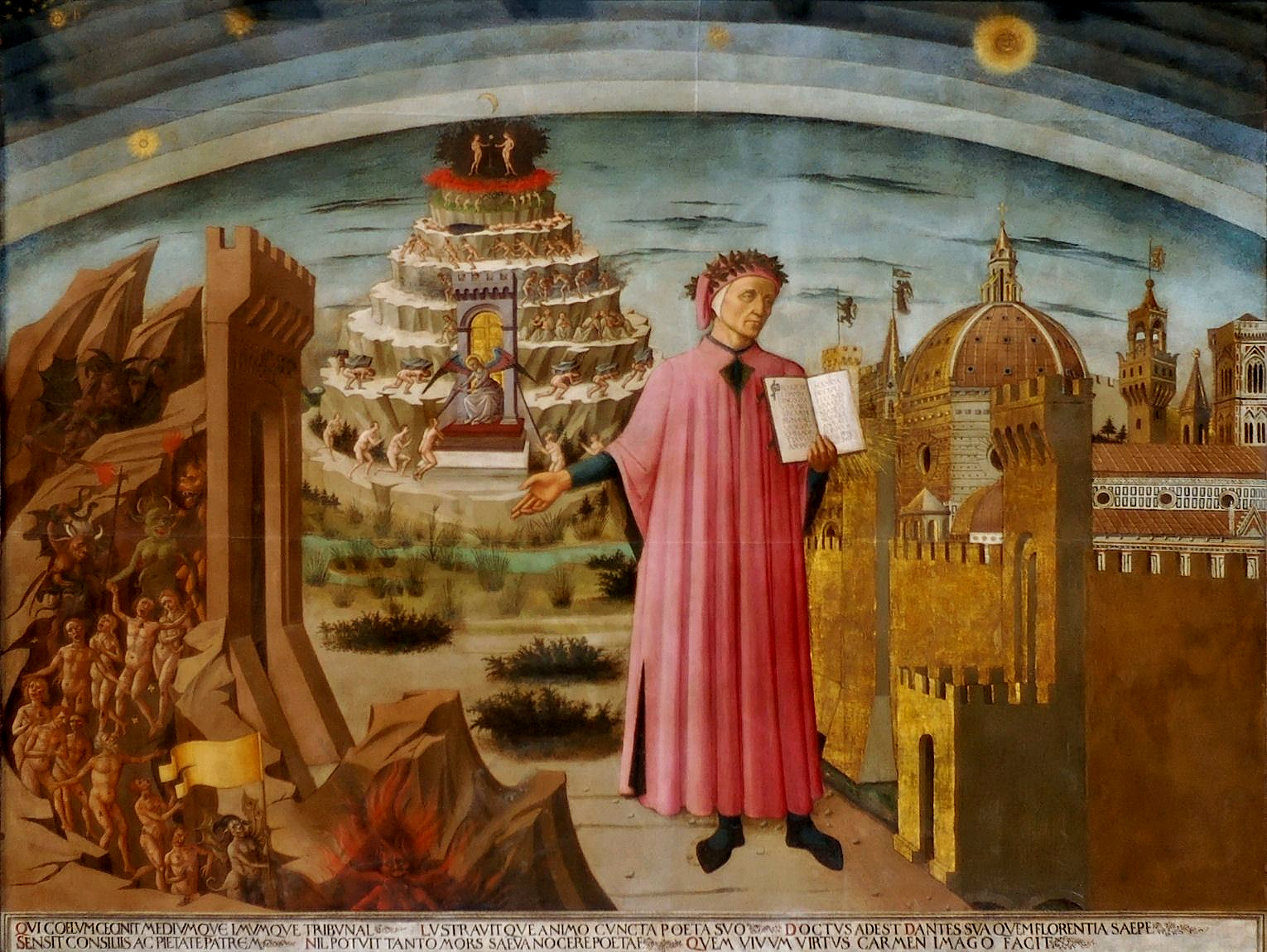
Dante Alighieri died in 1321. Just fifteen years later, a scribe in Florence finished copying the whole of the Divine Comedy onto parchment and, unusually, wrote down the year. That manuscript, known as the Codice Landiano, is widely regarded as the oldest dated copy of the poem to survive, and it normally lives in a vault in Piacenza, in northern Italy.
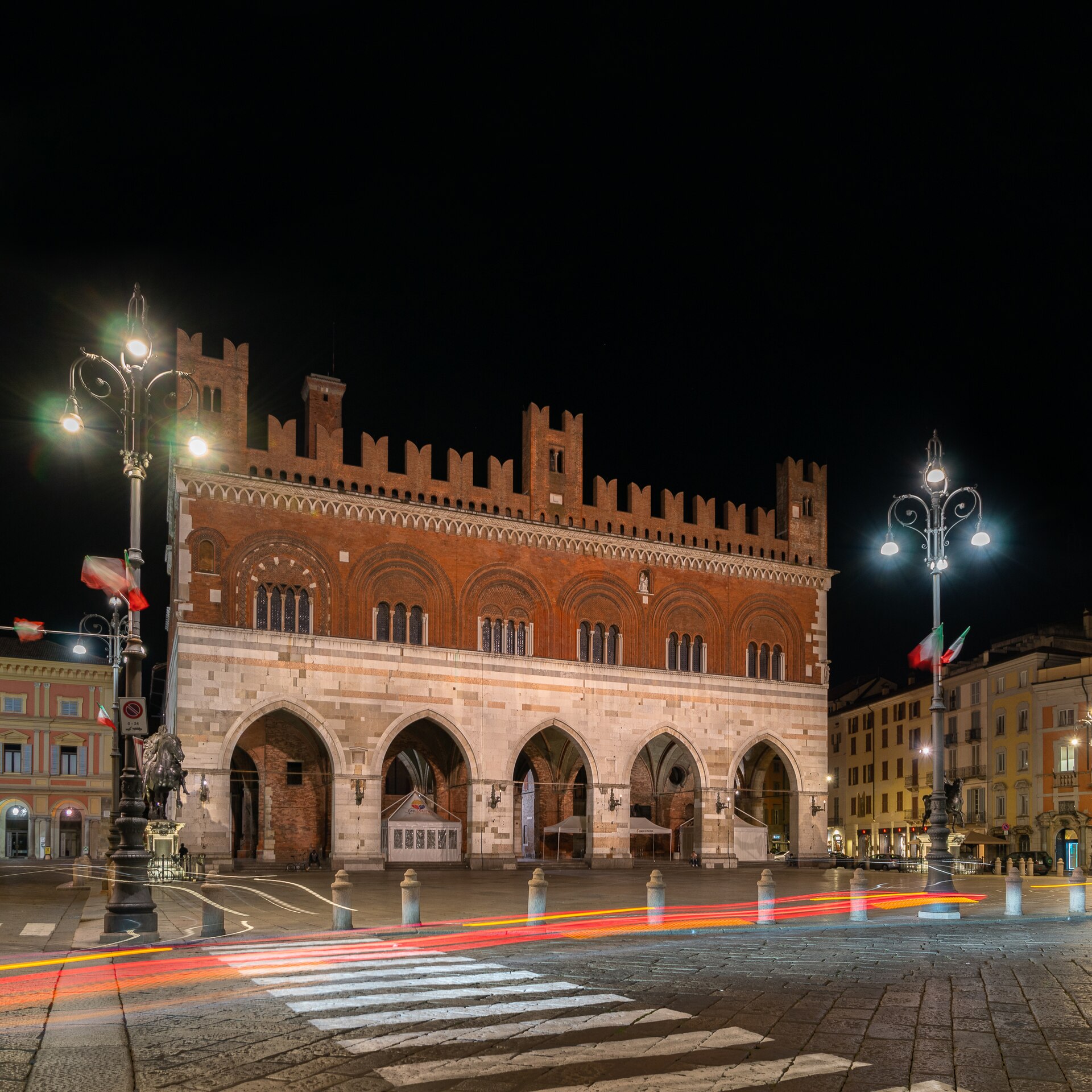
From December 18 it will be on public display as the centrepiece of a new exhibition, 1336. Dalla selva alla luce. Dante, la Commedia e il Codice Landiano (1336: From the Dark Wood to the Light), at XNL Piacenza, the city’s centre for contemporary art, theatre and music. The show runs until April 18, 2027.
What the manuscript says about itself
Most early copies of the Comedy give no date or name. The Landiano is different, because its colophon, the closing note added by the copyist, records who made it, where and for whom. According to the catalogue of manuscripts published by Piacenza’s Biblioteca Passerini-Landi, which owns it, the codex was written in Florence by a scribe named Antonio da Fermo (“Antonium de Firmo” in the Latin), and was largely completed in 1336, in the second year of the pontificate of Pope Benedict XII.
It was commissioned by Beccaria de Beccaria of Pavia, a knight and doctor of laws who served as podestà, or chief magistrate, of Genoa. The colophon closes the Paradiso with the words “Explicit liber Paradisi tertie Comedie Dantis Alighierij”, followed by “Deo gratias amen.”
The codex in numbers
The library’s description gives a precise picture of the object visitors will see:
- Material: parchment
- Size: 352 × 250 mm, a little taller and wider than a modern A4 sheet
- Length: 110 leaves, of which 103 carry a later numbering
- Layout: two columns, 42 lines per column at the start, later 36
- Decoration: red and blue initials, with diagrams illustrating the structure of Hell; the large initials planned for the Paradiso were never painted
- Extras: before the Comedy, the first leaves contain lyric poems by Guittone d’Arezzo and by Dante himself
The unfinished initials are a reminder that this was a working book, made for a reader, not a luxury object. Its value lies in its date and in the text it preserves, which scholars have studied for well over a century to understand what Dante actually wrote.
From Florence to Piacenza
The manuscript later passed to Fiorenzo Zappieri of Monticelli. In the 19th century the Marchese Ferdinando Landi bought it through the Piacenza intermediary Giuseppe Biavati, paying 170 gold zecchini. It entered the city library in 1872 together with the rest of the Landi collection, which is how it got its name. The codex was studied in 1865 by Pallastrelli and Fioruzzi and again in 1901 by Giuseppe Vandelli, one of the great Dante scholars, for the Società Dantesca Italiana.
Inside the exhibition
The exhibition is curated by Antonio Iommelli, director of the Civic Museums of Piacenza, and is promoted by the City of Piacenza with the Fondazione di Piacenza e Vigevano. It brings together more than 40 paintings, sculptures, works on paper and installations, organised to follow the three parts of the poem. The codex opens the Inferno on the ground floor, the route climbs a grand staircase to Purgatorio and the Earthly Paradise, and it ends in a Paradiso of light colours and reflective surfaces.
The loans include Franz von Stuck’s Lucifer from the National Gallery in Sofia, Victor Prouvé’s The Lustful from the Musée des Beaux-Arts in Nancy, a sketch for Anima beata by Guido Reni from the Capitoline Museums in Rome, and Salvator Rosa’s Witchcraft from the Galleria Corsini in Florence. Contemporary works include the Grand Hôtel Dante cycle by Anne and Patrick Poirier.
The show is also part of Piacenza’s bid to become European Capital of Culture in 2033. For anyone interested in Dante, it is a rare chance to stand in front of the poem as one of its earliest readers would have known it, copied out by hand barely a generation after the poet’s death.
The full technical description of the codex (shelfmark Landiano 190) appears in the Biblioteca Passerini-Landi manuscript catalogue.