

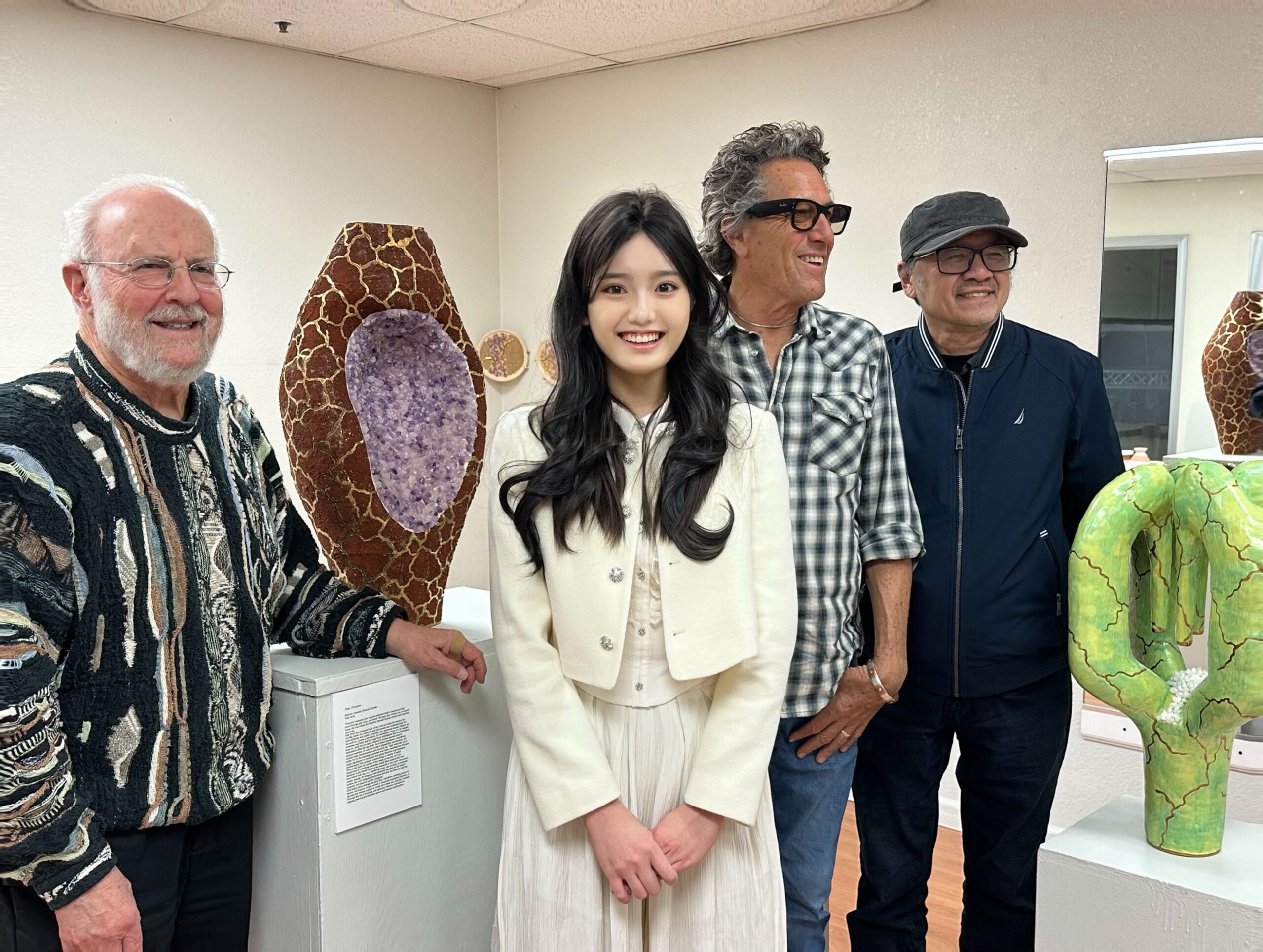
In January 2026, interdisciplinary ceramic artist Yilin (Rebecca) Sun presented her solo exhibition, Entangled Roots & Floating Forms, at CPAA Art Center in San Jose, California. Situated in the Bay Area, a region known for its layered cultural communities and active contemporary art networks, CPAA Art Center offered a meaningful setting for Sun’s materially rich and conceptually complex practice. The exhibition gathered ceramic sculptures, installation-based works, wall-mounted compositions, and mixed-material forms into a focused presentation of Sun’s expanding ceramic language.
The exhibition was curated by Guangzhen Zhou, a respected ceramic artist, researcher, and Asian Ambassador of the International Academy of Ceramics. Zhou’s curatorial involvement gave the exhibition a strong professional framework, situating Sun’s work within a broader field of contemporary ceramic research, cultural exchange, and material experimentation. In his curatorial statement, Zhou observed that Sun’s works invite viewers to set aside conventional understandings of ceramics, moving between resemblance and abstraction, movement and stillness, reality and illusion. His framing recognized Sun’s practice not simply as a presentation of individual ceramic objects, but as a serious inquiry into how material, form, and memory speak to one another.
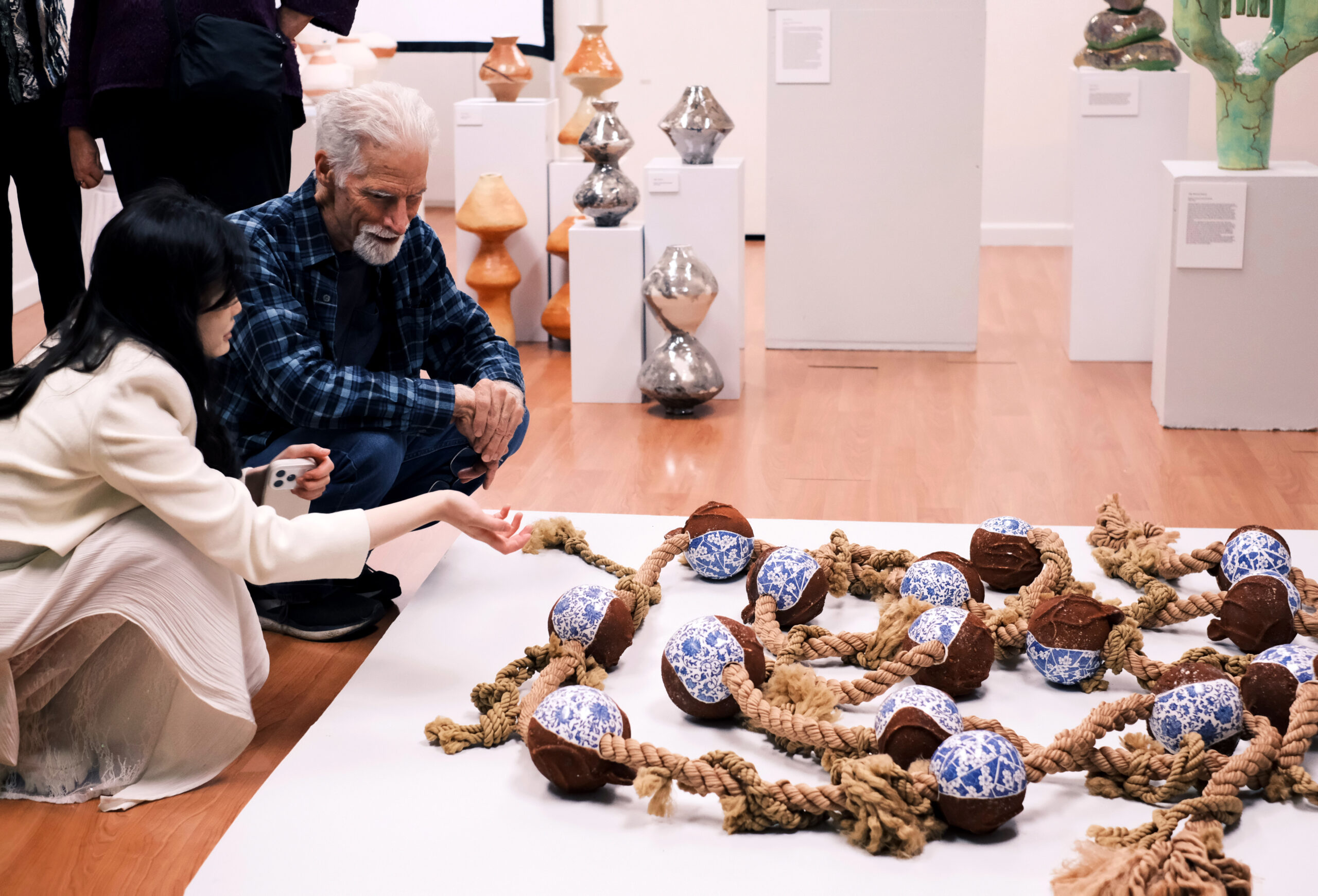
Within the gallery, Sun’s works created an environment of quiet intensity. Vessel-like forms stood on pedestals with a bodily presence, their surfaces marked by cracks, mineral textures, and glossy layers of glaze. A green cactus-like sculpture appeared both organic and wounded, its fissures suggesting growth, pressure, and repair. A large floor-based installation, composed of blue-and-white ceramic fragments bound with thick rope, stretched across the space like a physical network of memory and inheritance. Nearby, wall-mounted ceramic pieces formed delicate constellations of color, texture, and repeated gesture. Together, the works produced a rhythm between weight and suspension, intimacy and monumentality.
Sun’s practice is grounded in a strong academic and professional foundation. She received her MFA in Ceramics from the Rhode Island School of Design and her BFA in Fine Arts from the School of Visual Arts. Her exhibition history includes Trial By Fire in New York, the RISD Ceramics MFA Biennial Exhibition, the RISD Graduation Thesis Show, the Contemporary International Ceramic Art Invitational Exhibition of Songzhuang in Beijing, Fiber & Fire with ACGA, The California Ceramic Invitational, and Fired & Fiber. Her work has also been featured by US China Press, The Providence Journal, RISD News, and SK Gallery NYC, reflecting a practice that has gained sustained attention across academic, regional, national, and international art contexts.
What distinguished Entangled Roots & Floating Forms was Sun’s treatment of clay as an active material rather than a passive medium. In her artist statement, she writes about pulling clay objects apart after making them, allowing cracks, openings, and pressure marks to become part of the work itself. She describes clay as a material that creates feeling and delivers feeling, emphasizing the intimate exchange between body and earth. This sensitivity was visible throughout the exhibition. Cracks were not hidden. Seams were not erased. Instead, rupture became a structural and emotional language. 
The title Entangled Roots & Floating Forms offers a precise way to understand the exhibition’s central tension. “Roots” suggest origin, land, cultural memory, and attachment; “floating forms” suggest movement, distance, displacement, and transformation. Sun’s works hold these conditions together. They feel grounded, yet unsettled. Familiar, yet difficult to name. A vessel becomes a body; a cracked surface becomes a map; a rope-bound ceramic fragment becomes a trace of migration, inheritance, and repair.
The blue-and-white rope installation was especially resonant. Its porcelain references evoke histories of ceramic tradition and transnational exchange, while the raw red clay and coarse rope resist any easy sense of refinement. The work does not present heritage as something preserved in a clean, fixed form. Instead, heritage appears as something carried through tension: knotted, broken, handled, and reassembled. In this way, Sun’s work transforms cultural memory into a physical condition. It is not merely represented; it is held in the material itself.
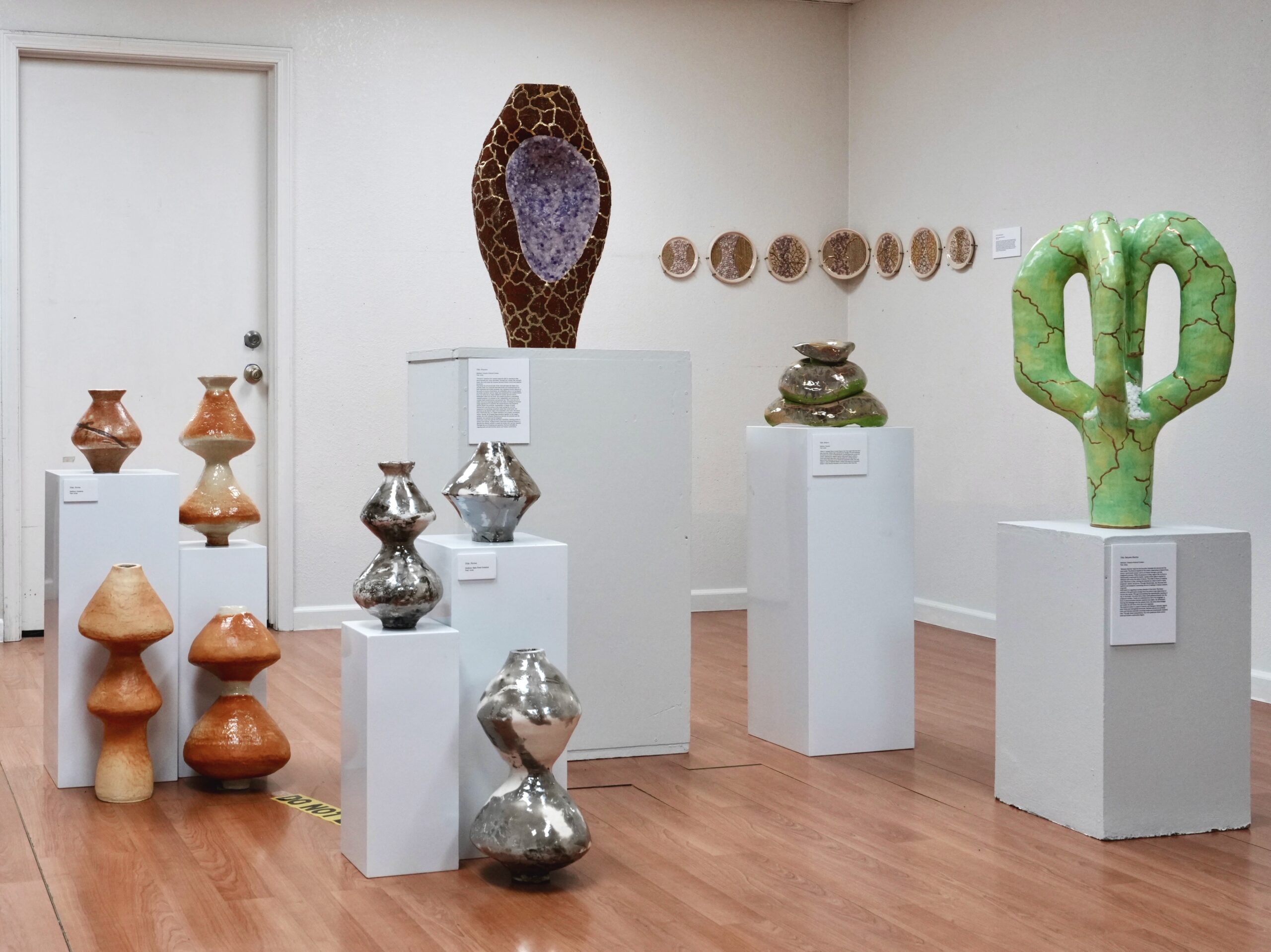
Across the exhibition, beauty and fracture remained inseparable. Sun’s surfaces are often seductive: luminous greens, earthy terracotta, metallic glazes, pale porcelain tones, mineral purples, and gold-like lines draw the viewer close. Yet the works never settle into decoration. Their beauty is repeatedly interrupted by instability. A polished surface reveals a wound. A vessel-like form resists function. A delicate wall piece carries the visual weight of erosion. Sun understands ceramics as a medium capable of holding contradiction: fragility and endurance, softness and pressure, intimacy and historical weight.
Her broader professional activity reinforces the significance of this practice. Sun has been involved with NCECA, the National Council on Education for the Ceramic Art, and is a member of ACGA, the Association of Clay and Glass Artists of California. She has also participated in the UNESCO Memory of the World—Global Ceramic Heritage project through ceramic heritage research. These affiliations show that her contribution to ceramics extends beyond the studio, engaging professional, educational, and cultural networks that shape the field.
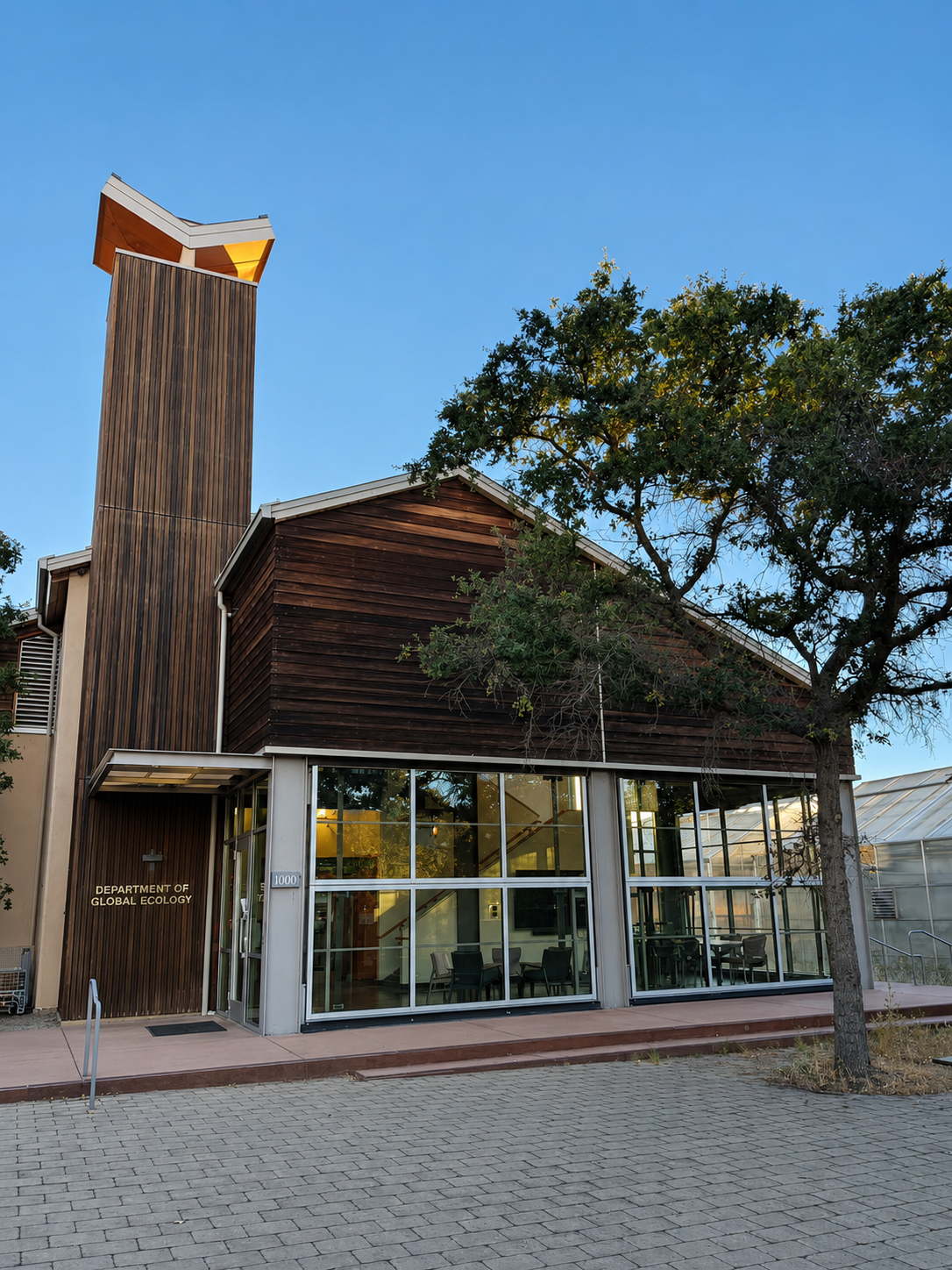
Following Entangled Roots & Floating Forms, Sun will serve as juror for VESSEL: An Exhibition on Sustainability, Community, and Our Shared Future, a juried exhibition hosted by CP Mentorship and Art2 Foundation and presented at the Stanford University Carnegie Institution, Department of Global Ecology. The exhibition brings together local, national, and invited international artists across diverse mediums, with a focus on environment, sustainability, community, cultural exchange, and shared futures. Sun’s role as juror reflects her expanding professional authority: she is not only producing significant work, but also helping to frame and support wider artistic dialogue.
Entangled Roots & Floating Forms presented Yilin (Rebecca) Sun as a significant and active presence in contemporary ceramic art. Through the professional context of CPAA Art Center, the curatorial framing of Guangzhen Zhou, and the strength of Sun’s material practice, the exhibition demonstrated an artist with a mature command of clay, installation, and symbolic form. In Sun’s hands, ceramics becomes more than object or vessel. It becomes a record of contact between body and earth, rupture and repair, tradition and transformation. The exhibition confirmed the depth of her practice and the continued relevance of her work within the evolving field of contemporary ceramics.