


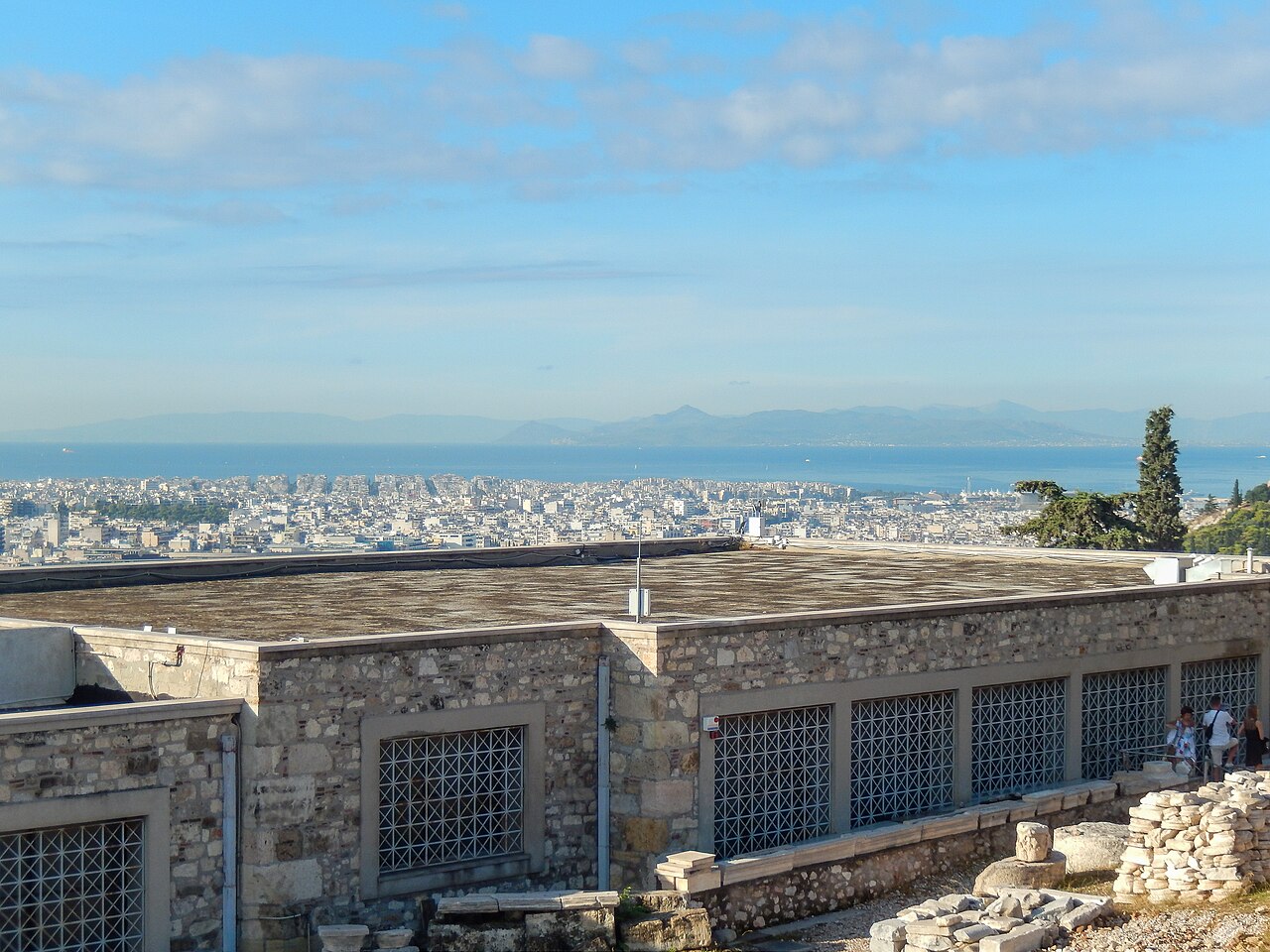
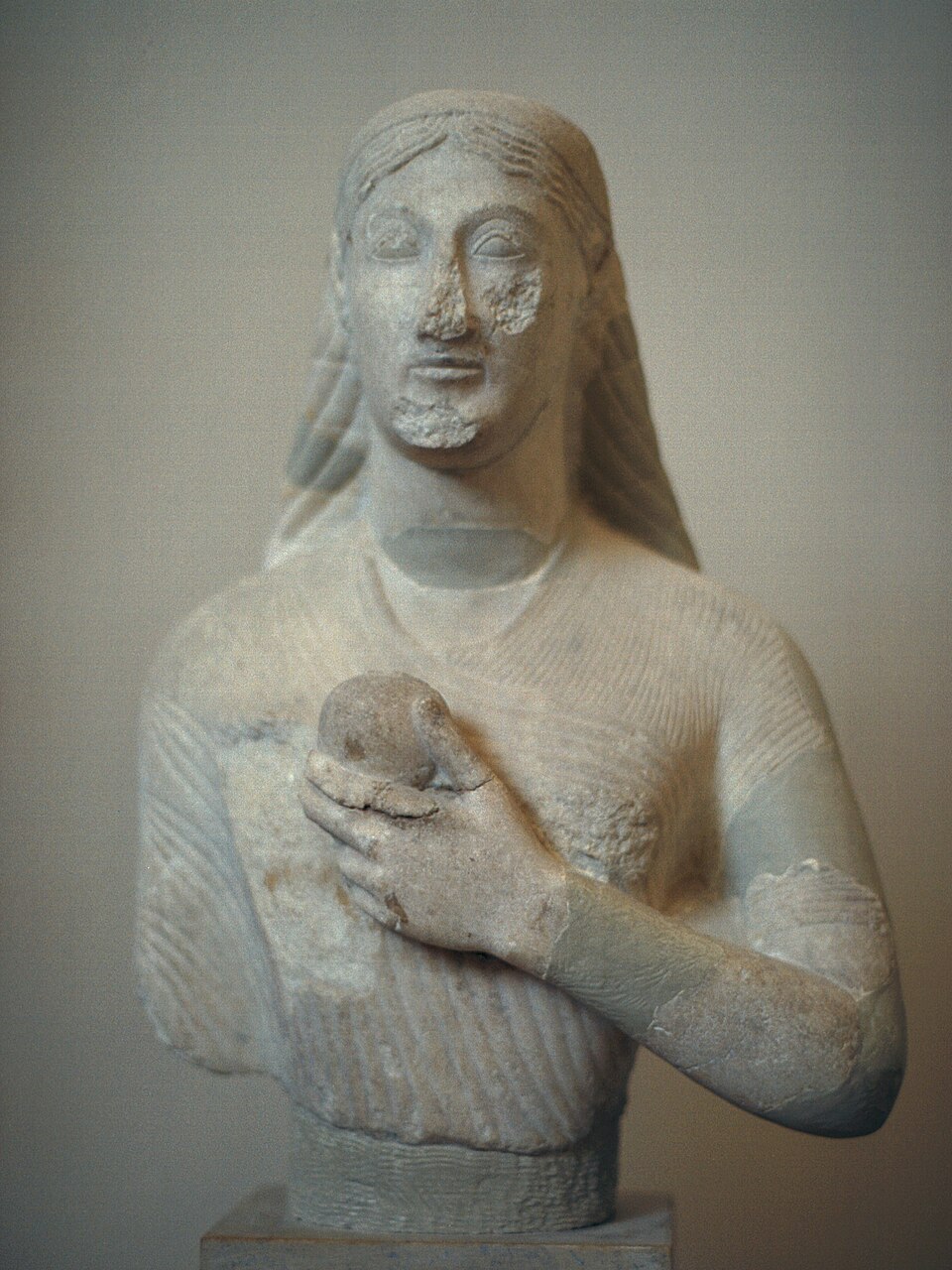
Most visitors to the Acropolis walk straight past it: a low, modest building tucked into the south-eastern corner of the rock, below the level of the Parthenon. For more than a century it was the Acropolis Museum, home to the korai, the Moschophoros and the sculptures of the temples above. It closed in 2007, when the collections moved to the new Acropolis Museum at the foot of the hill, and for a while it looked set to become a storeroom.
On November 23 it reopened. Greece’s prime minister, Kyriakos Mitsotakis, and culture minister, Lina Mendoni, inaugurated the restored building, now presented as a combination of open storage, exhibition space and digital gallery, together with a part of the Acropolis that the public has never been allowed to walk through.
From warehouse plan to museum
The old museum was designed in the 19th century by the architect Panagis Kalkos and housed finds from excavations on the Acropolis for well over a hundred years. After it closed in July 2007, its future was uncertain. Restoration began in 2018 under a plan to convert it into storage and offices, but in July 2019 that plan was abandoned in favour of reopening it to the public.
“Today marks a milestone for the Acropolis, for Athens, and for the Ministry of Culture,” Mendoni said at the inauguration. The building, she said, had to continue protecting the antiquities “but also be at the cutting edge.”
What is inside
- Visible storage: architectural fragments, sculptures and inscribed stones displayed on metal structures, with chain curtains and lighting that pick out individual pieces.
- ΑΘΗΝΑΙ ΠΟΛΙΣ ΙΔΕΑ (Athens, City, Idea): an exhibition of more than 750 objects across five galleries, most of them on public view for the first time. It is due to be renewed every three years.
- Parthenon Alive: a digital experience built around the Parthenon frieze, including a 3D reconstruction of about 100 monuments spanning 3,500 years of the site’s history.
- Michael Rakowitz: the final chapter of the American artist’s trilogy What Remains Behind Us Are Not Just Inscriptions, produced with the Ephorate of Antiquities of Athens and the NEON foundation.
A new walk on the Acropolis
For many visitors the bigger news will be outside. The eastern esplanade of the Acropolis has opened to the public for the first time, with a new route that passes a section of Mycenaean fortification, walls from the Classical period, repairs from the Ottoman era, a Proto-Byzantine cistern and the Sanctuary of Pandion, a mythical king of Athens. The route includes a staircase, a glass walkway, a viewing platform and new accessible toilets.
The numbers
According to the ministry, the restoration of the building cost about €6.2 million from EU structural funds, more than €2 million from Greece’s national development programme and ministry budget, and €2 million from private sponsors. The eastern esplanade cost a further €2.1 million, funded by the EU’s Recovery and Resilience Facility.
The work also involved a large clean-up. Some 9,766 marble fragments that did not belong to the Acropolis monuments were removed from the site, along with about 6,000 irregular fragments.
Why it matters
The Acropolis receives millions of visitors a year, and congestion on the rock has become a serious concern. Opening a new route on the eastern side, and giving people a reason to linger in a museum on the summit itself, spreads visitors across more of the site. It also means that hundreds of objects that spent years in storage are finally on show, in the building where generations of visitors first saw the treasures of the Acropolis.