

For the first time in its history, the Venice Biennale has let the public decide its top prizes, and the visitors have chosen. The Visitors’ Lions for the 2026 edition, announced on November 25, went to the American artist Nick Cave, for the best participant in the main exhibition, and to the Pavilion of India, for the best national participation.
If the name sounds familiar, this is not the Australian rock musician. This Nick Cave is a Chicago-based visual artist, born in 1959, best known for his Soundsuits, wearable sculptures covered in beads, buttons, sequins, fur and raffia.
Why the public voted
The Biennale normally awards Golden and Silver Lions through an international jury. This year that jury resigned en masse during the opening days, one of several controversies around the 61st edition, and the traditional prizes were not given. In their place the Biennale created two Visitors’ Lions.
The rules were strict. Only ticket holders who had visited both main venues, the Giardini and the Arsenale, could vote, with visits checked through the ticketing system. Each eligible visitor received an emailed voting link 24 hours after entering the second venue, and voting stayed open for the entire run, from May 9 to November 22.
The edition drew 714,015 visitors over six and a half months and featured 100 national participations, the most in the Biennale’s history. The main exhibition, In Minor Keys, was conceived by the late curator Koyo Kouoh and brought together 109 artists.
Nick Cave’s procession of grief
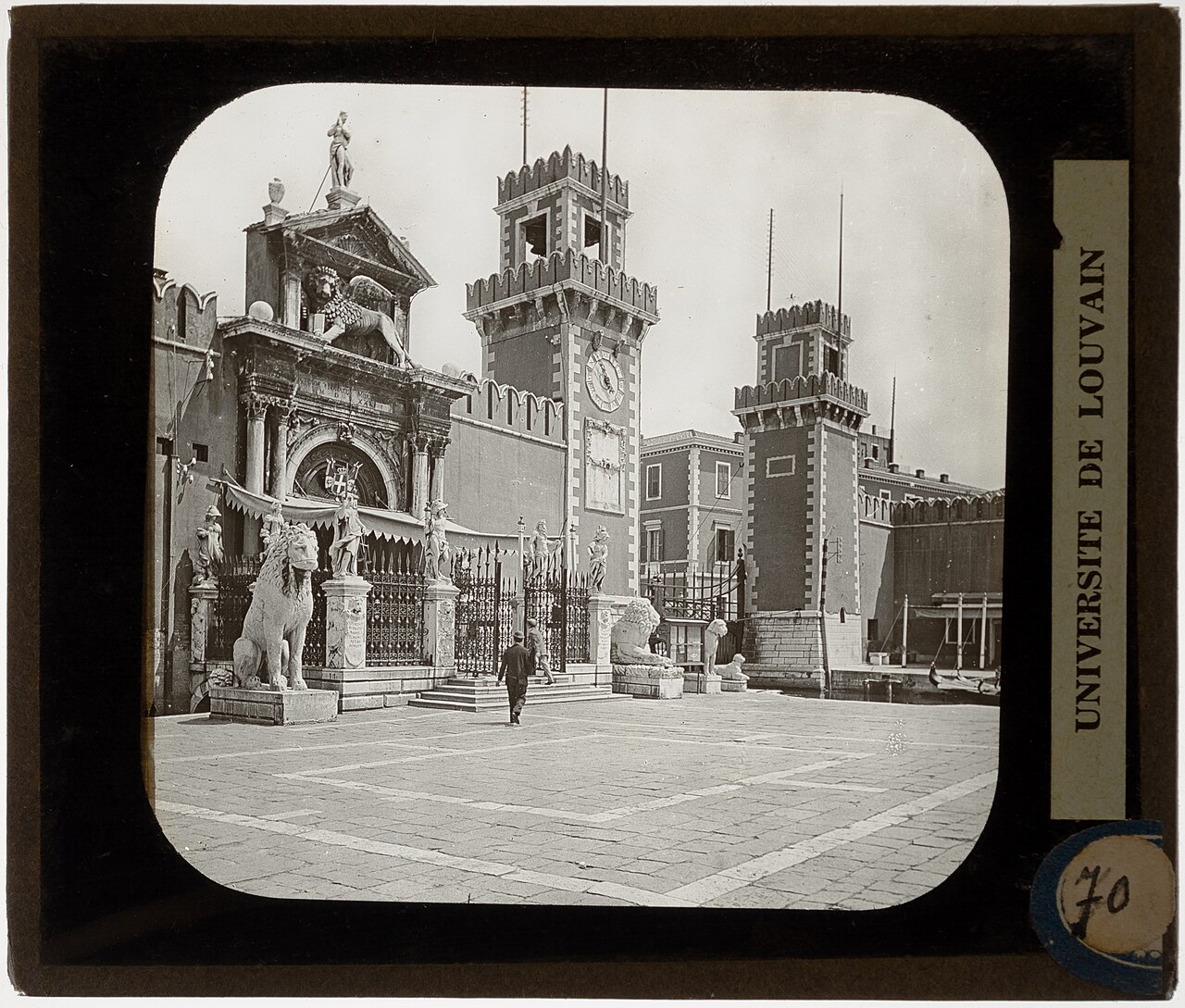
Cave’s work at the Arsenale, Two Points in Time – At Once, was a procession running inside and outside the old shipyards. Its seven stages allude to the stages of grief, and it combined monumental bronzes with installations built from vintage metal trays, flowers painted on household objects and embroidered self-portraits. A bronze titled Amalgam (Origin) looked out over the Arsenale basin, while figures in the Corderie were shown waiting, in agony or being rescued.
A wall text by the curator Denise Markonish described Cave as “a messenger who reveals profound truths about the inextricable intertwining of beauty and pain.”
India’s return pays off
The Indian Pavilion marked the country’s return to the Biennale after a seven-year absence. Titled Geographies of Distance: Remembering Home, it was commissioned by the National Gallery of Modern Art under India’s Ministry of Culture and curated by the scholar and curator Amin Jaffer.
Five artists took part: Alwar Balasubramaniam, Sumakshi Singh, Ranjani Shettar, Asim Waqif and Skarma Sonam Tashi. Together, their work at the Arsenale explored memory, belonging, diaspora and transformation.
Winning a popular vote among 100 national pavilions is a notable result for a country that had been absent since 2019, and a strong argument for India to make its participation a regular one.
A different kind of prize
Speaking at the announcement, the Biennale’s president, Pietrangelo Buttafuoco, invoked Picasso’s idea that “a painting lives only through the person who looks at it.” Whether the Visitors’ Lions become a permanent feature or remain a one-off response to this year’s turmoil is not yet clear. Either way, the 2026 winners are the first in the Biennale’s long history to owe their prize to the public rather than to a jury.
The voting rules are set out on the Biennale’s website.