

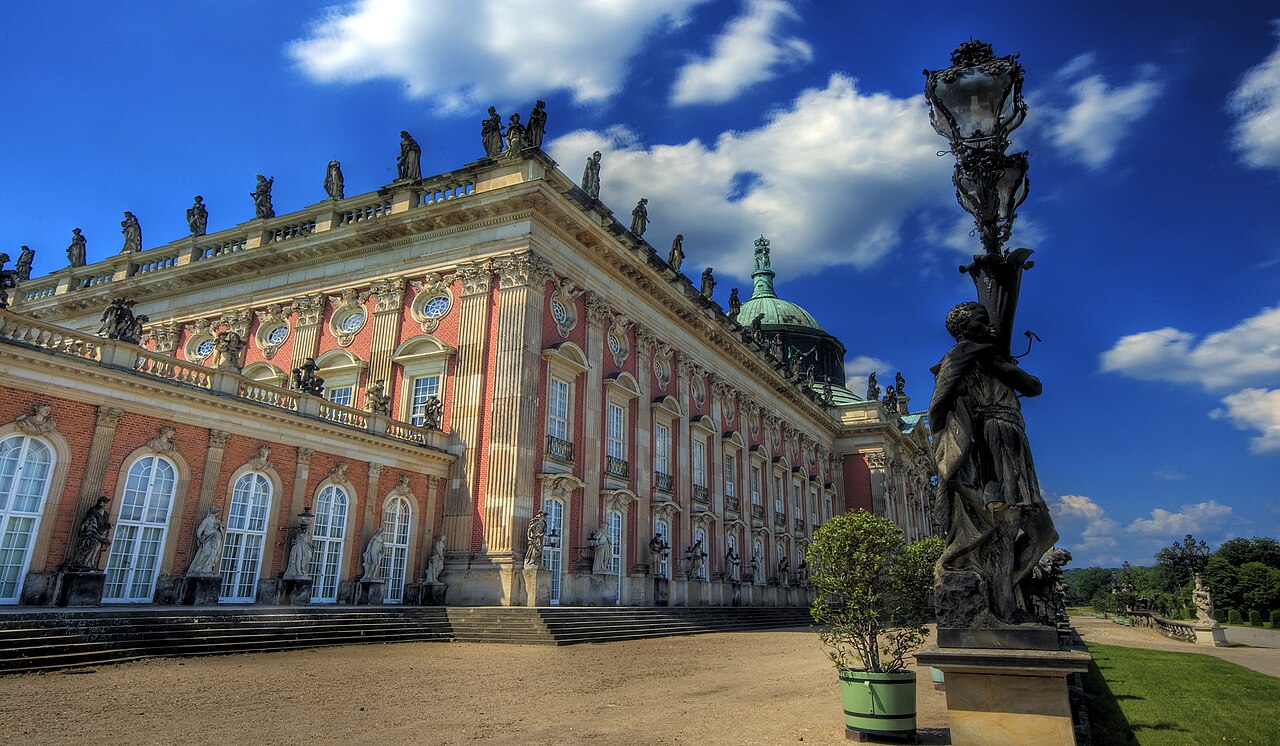
In 1942, as bombs fell on German cities, curators in Potsdam packed up a round painting of the Holy Family by the French court painter Charles Le Brun and sent it to Rheinsberg Palace for safekeeping. It was last recorded there on July 30, 1945. Then it disappeared. More than 80 years later, it is back in the palace it was bought for.
The painting was handed over at the New Palace in Potsdam on November 18, in what Germany’s culture minister, Wolfram Weimer, called “a cultural-historical sensation.”
One of Frederick the Great’s prized purchases
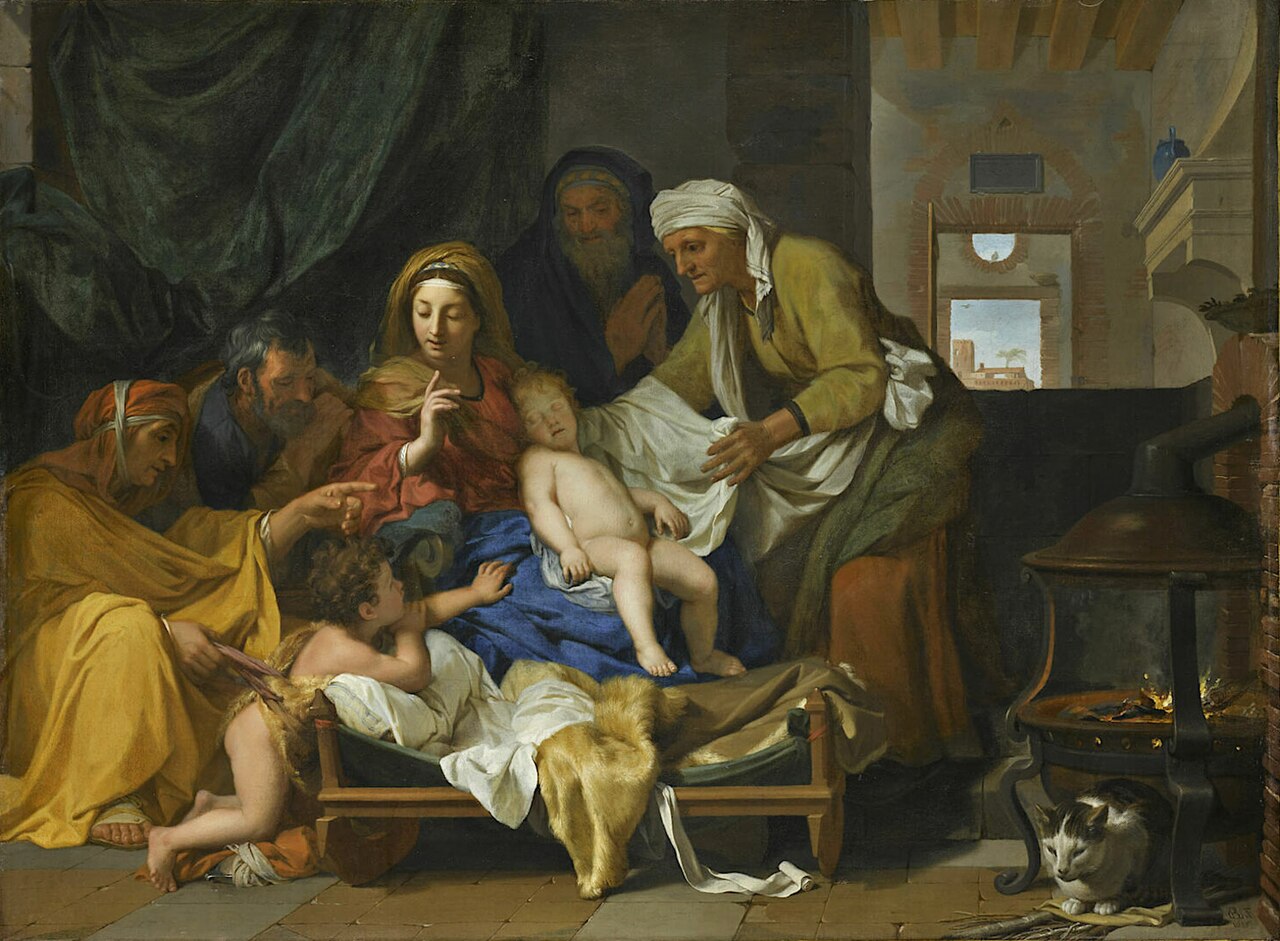
The work, a tondo about 88 centimetres across painted around 1655, shows the Holy Family gathered around the sleeping infant Christ, a version of the composition known as The Sleep of the Infant Jesus. The federal government describes it as one of the most important acquisitions Frederick the Great made for the New Palace, the vast residence he built at the edge of Sanssouci Park after the Seven Years’ War. It hung in a cabinet in an apartment for princely guests.
Le Brun was the dominant artist at the court of Louis XIV, director of the royal academy and the designer behind much of Versailles. Owning one of his paintings was a statement of taste and power, the kind Frederick liked to make.
From Rheinsberg to Canada
What happened after July 1945 is still unknown. Many works evacuated to castles in eastern Germany were looted at the end of the war, and the Prussian Palaces and Gardens Foundation (SPSG), which manages the palaces in Berlin and Brandenburg, still lists many objects as war losses.
The Le Brun resurfaced in 2021, when a Canadian buyer acquired it at a Berlin auction house and then contacted the foundation. The return followed lengthy negotiations and was supported by the Ernst von Siemens Art Foundation and the Friends of the Prussian Palaces and Gardens. The terms have not been disclosed, and the foundation has not been able to establish who removed the canvas from Rheinsberg or how it travelled between 1945 and 2021.
Damaged, and possibly the first version
The painting did not come back in good shape. According to reports of the foundation’s findings, the canvas had been torn from its stretcher, bears two fold lines and has crude old repairs and brown overpaint. A signed version of the same composition hangs in the Louvre, and the foundation’s initial assessment suggests that the quality of the Potsdam tondo may point to it being an earlier, original version. That question will be studied during conservation.
When you can see it
Visitors to the New Palace can already see the painting, unrestored, in the Green Damask Chamber until spring 2027. Restoration is planned to start in May 2027. Afterwards, the tondo is expected to return to its original place in the writing cabinet of the Upper Princes’ Quarters, in the frame that never left Potsdam, with reinstallation planned for 2028.
“This extraordinary return is a great gain for our cultural heritage,” Weimer said.
The federal government’s announcement is available on the German government’s website (in German).